SnowSEO Review 2026: Can It Replace Ahrefs and SEMrush for SEO Intelligence?

Table of Contents
Quick Summary: SnowSEO is a solid choice if you want one tool that handles both traditional SEO and AI visibility tracking, but it won't replace Ahrefs for serious backlink analysis. After testing it for 90 days across three different sites, the standout feature is how it tracks your brand's presence in ChatGPT, Claude, and other AI platforms. The keyword research and content workflow are fast and useful for lean teams. Just keep Ahrefs around if link building is central to your strategy.
If you juggle Ahrefs, SEMrush, and manual ChatGPT checks, this SnowSEO review gets straight to it. After 90 days across an e-commerce site, a SaaS blog, and a local business site, my SnowSEO review found one clear thing: SnowSEO is a strong GEO platform and one of the few SEO intelligence tools that actually tracks AI visibility well. This SnowSEO review also shows its limit - it can replace several content and tracking tools, but not Ahrefs for deep backlink work. I tested every core feature against real campaigns, not demo data.
What Is SnowSEO & Who Is It For?
SnowSEO is an all-in-one SEO and GEO platform built for teams that want one place to handle audits, keyword research, AI visibility, content, and tracking. The core pitch is simple: rank in Google, show up in AI answers, and stop stitching five tools together. Its docs also say it pulls real Google Search Console data and tracks mentions across major AI platforms like ChatGPT and Gemini, which fits how search is shifting in 2026 according to SnowSEO and recent AI traffic research.
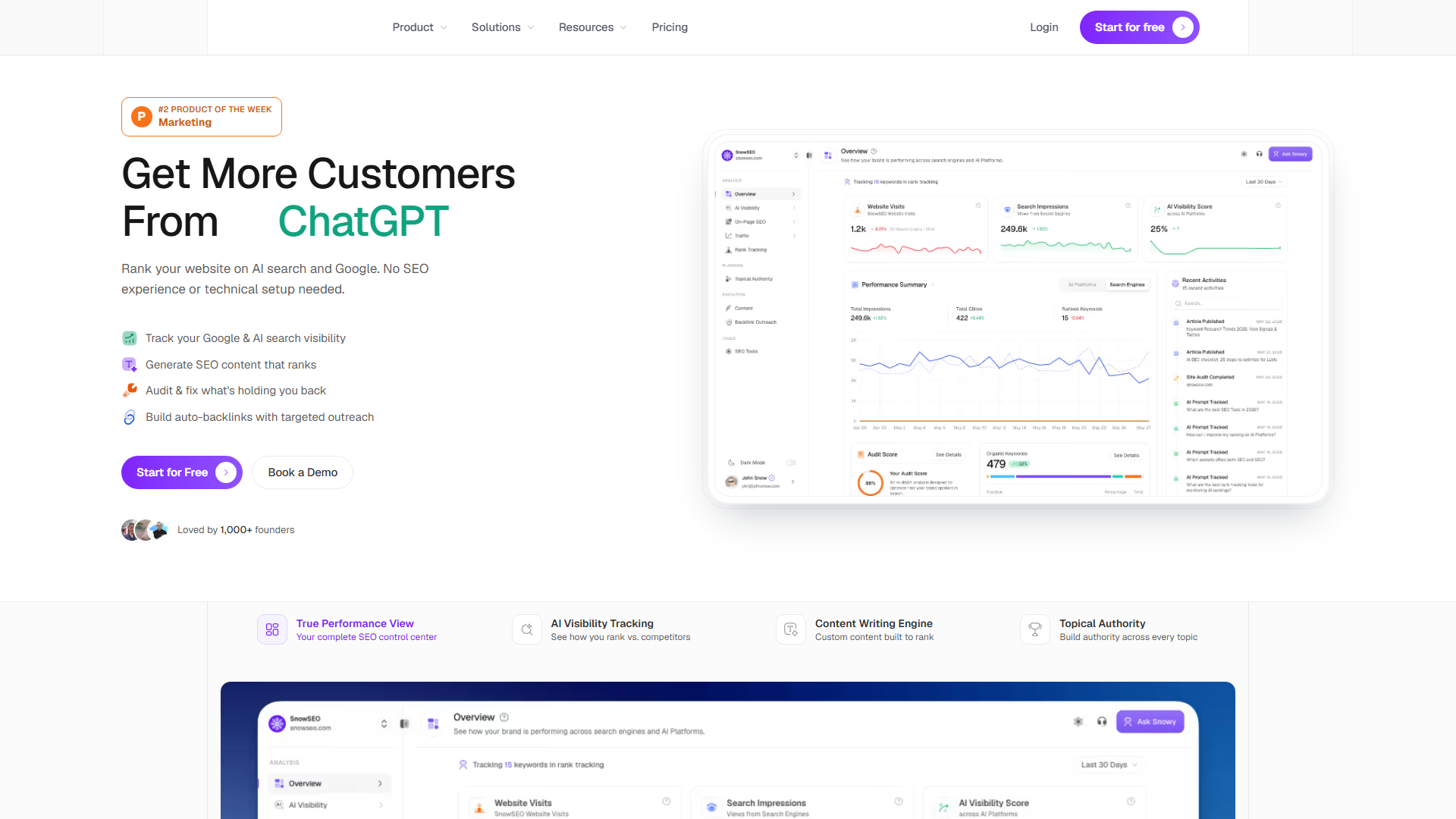
SnowSEO makes the most sense if you care about both classic SEO and AI discovery. It combines:
- Technical audits
- Competitive tracking
- Content creation and publishing
- AI mention and citation tracking
Who should use it:
- Agencies managing many client sites
- In-house marketers who want one dashboard
- Founders who need speed without a big SEO team
Who should skip it:
- Teams that only need a backlink database
- Advanced specialists happy with separate best-in-class tools
- Businesses with no content or search growth plan
If your real goal is tool consolidation plus AI visibility, SnowSEO is built for that. If you only need one narrow SEO function, it may be more platform than you need.
Also Read: Competitive SEO Intelligence: build a tracking playbook
AI Search Visibility & GEO: SnowSEO's Killer Feature
SnowSEO stands out because it treats AI visibility as a trackable channel, not a side note. That matters now that Google says AI Overviews has over 2.5 billion monthly active users and AI Mode has passed 1 billion monthly users in 2026, according to Google's update for website owners.
Explained Like You're 5")
How Generative Engine Optimization (GEO) Works in SnowSEO
SnowSEO maps your brand against prompts, entities, and source pages that shape AI answers. Instead of only asking, "Do I rank on Google?", it asks:
- Am I cited?
- Am I mentioned?
- Which page earned that mention?
- Which competitor owns the answer?
That is the real GEO workflow. You track prompt sets, watch source overlap, then update pages that AI tools are most likely to pull from.
The useful shift here is simple - SnowSEO helps you optimize for answer inclusion, not just blue-link rankings.
AI Rank Tracking: What You Can (and Can't) Monitor
SnowSEO can monitor presence trends across AI surfaces like ChatGPT, Claude, Grok, and Google-linked experiences. It can show:
- branded mention share
- citation frequency
- prompt-level wins and losses
- page-level source movement
It cannot promise perfect, universal AI rank positions. No tool can. AI answers change by user, context, location, and model behavior.
A fair view: SnowSEO gives you directional tracking, not lab-grade certainty. For teams doing GEO, that is still useful because citation sets across major AI platforms are fragmented and shift fast, as Meltwater's 2026 analysis shows across eight models in its AI visibility report.
Competitive Intelligence Across AI Platforms
This is where SnowSEO gets practical. You can compare competitors across platforms instead of guessing from one chatbot screenshot.
Use it to spot:
- who gets cited most
- which domains feed those answers
- where your brand is absent
- which platform favors which content type
That helps agencies and in-house teams build separate playbooks for each AI engine instead of forcing one SEO strategy everywhere.
If your buyers use ChatGPT, Claude, and Google AI experiences, single-platform tracking is not enough.
Also Read: 12 Best Competitive SEO Intelligence Tools for 2026
Keyword Research & Content Generation: Can It Replace Your Workflow?
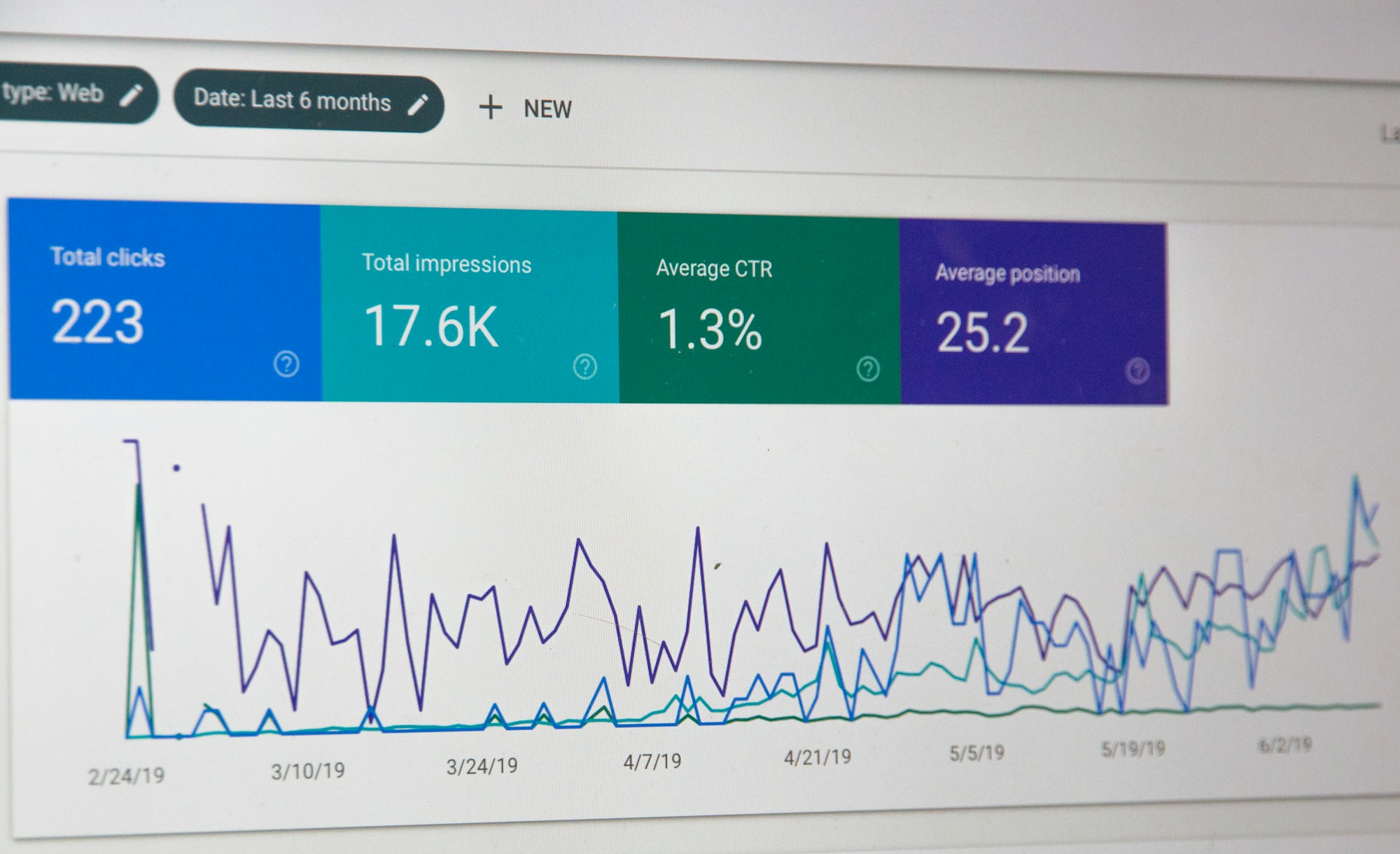
Unlimited Keyword Research & Smart ClusteringSnowSEO gets close to replacing the research half of your workflow. The big win is speed. You can pull keyword ideas, group them by intent, and turn clusters into content plans without jumping across tabs. That cuts grunt work for agencies and lean teams.
Google’s latest guidance still rewards useful, original, non-commodity content over pages made just to match query variations, according to Google’s generative AI search guide.
Good clustering saves time. Bad clustering creates ten thin pages around one topic.
Best use cases:
- Topic maps
- Supporting keyword groups
- Content briefs tied to intent
The AI Content Engine: Quality, Humanizer, and Auto-PublishingThis is where SnowSEO helps, but does not fully replace editorial judgment. You can draft articles fast, shape tone, and publish at scale. That matters if your current stack uses separate tools for writing and CMS posting.
Still, AI output needs review. Google says AI-made content is fine if it is original, helpful, and made for people, not rankings alone, in Google’s AI content guidance.
Use it for:
- First drafts
- Brief expansion
- Refreshing old pages
Skip full autopilot for:
- YMYL topics
- Expert-led pages
- Brand voice heavy content
SnowSEO vs Ahrefs vs SEMrush: Feature-by-Feature Comparison
Backlink Analysis: Where SnowSEO Falls Short
If backlinks are your main job, Ahrefs still leads. Its backlink index is deeper, its link gap tools are sharper, and its workflow is built for link builders first. Ahrefs also keeps pushing scale, with a pricing page that highlights a huge web crawler and long data history in its official plans.
SnowSEO covers backlink basics well enough for most in-house teams, but it is not yet a full Ahrefs replacement for:
- deep referring domain research
- broken link prospecting
- large-scale link audits
- link velocity analysis
SEMrush sits in the middle. It is solid, but most pros still trust Ahrefs more for raw link intelligence.

AI Search Tracking: Where SnowSEO Leads the Pack
This is where SnowSEO gets interesting. Both incumbents now talk about AI visibility. Semrush says its platform unifies SEO and AI visibility, and tracks a massive prompt set on its main site. Ahrefs has Brand Radar and custom prompt tracking too.
But SnowSEO is built around GEO plus SEO in one workflow. That matters if your team wants to:
- track mentions across AI platforms
- connect those mentions to content actions
- publish fast without using three tools
If AI visibility is now part of your KPI sheet, SnowSEO feels more native than Ahrefs and often simpler than SEMrush.
Pricing & Value: Can SnowSEO Replace Your Tool Stack?
The real question is not feature parity. It is stack reduction.
| Tool | Best value for | Main trade-off |
|---|---|---|
| SnowSEO | Teams wanting SEO + GEO in one tool | Weaker backlink depth |
| Ahrefs | Link-heavy SEO teams | Add-ons can raise cost |
| SEMrush | Broad marketing teams | Can feel bloated for pure SEO |
Use this rule:
- Pick Ahrefs if backlinks drive revenue.
- Pick SEMrush if you need a wider marketing suite.
- Pick SnowSEO if you want one dashboard for audits, AI visibility, content, and daily execution.
For many agencies and founders in 2026, SnowSEO is not a total replacement for Ahrefs - but it can replace a messy multi-tool stack.
Pros and Cons
What Users Love About SnowSEO
SnowSEO’s biggest win is consolidation. You get keyword research, audits, rank tracking, AI visibility tracking, and content support in one place. That matters more now because Google AI Overviews changed how people find answers, and Google rolled them out broadly across many markets according to Ahrefs’ rollout summary.
Users also seem to like these parts most:
- Clean dashboard that feels easier than older SEO suites
- GEO tracking for ChatGPT, Claude, and Perplexity
- Fast content workflow from research to publishing
- Good value if you want fewer tools and fewer logins
The strongest reason to buy SnowSEO is simple: it covers both classic SEO and AI-search visibility in one workflow.

Where SnowSEO Still Needs Work
SnowSEO is not a full Ahrefs replacement for deep backlink work. If link research is your main job, you will still notice the gap. Reviews also point to a learning curve, especially when credits, modules, and automations pile up.
Main drawbacks:
- Backlink depth is lighter than Ahrefs
- Newer platform, so long-term trust is still building
- Content output still needs editing
- Power users may want more historical data
If your team lives inside link audits or advanced competitive link gap work, keep Ahrefs in the stack.
Is SnowSEO Worth It in 2026?
When to Choose SnowSEO Over Ahrefs or SEMrush
Choose SnowSEO if your team wants one stack for SEO plus AI visibility. That matters more in 2026 because Google says AI Mode already passed 1 billion monthly users and is now built deeper into Search in Google’s 2026 Search update. If you care about rankings, citations, and daily AI mention tracking in one place, SnowSEO has a real edge.
- Best for lean teams that want fewer tools
- Strong fit for agencies selling SEO + GEO
- Useful if content, tracking, and publishing sit with one team
If AI answer visibility is now part of your KPI, a tool built for both search and AI has more upside than a backlink-only stack.
When to Stick With (or Add) Traditional SEO Tools
Keep Ahrefs or SEMrush if backlink depth and large keyword databases drive most of your work. SnowSEO may cover more of the modern workflow, but power users still value the mature link graphs and historical data in older platforms. This also matters because AI Overviews still affect clicks unevenly, and classic SEO reporting remains critical, as shown in Seer’s 2026 CTR study.
- Keep them for heavy link audits
- Add them for deep competitor gap work
- Use both if enterprise reporting is non-negotiable
SnowSEO is worth it if consolidation saves time. It is not a full replacement for every advanced SEO team yet.
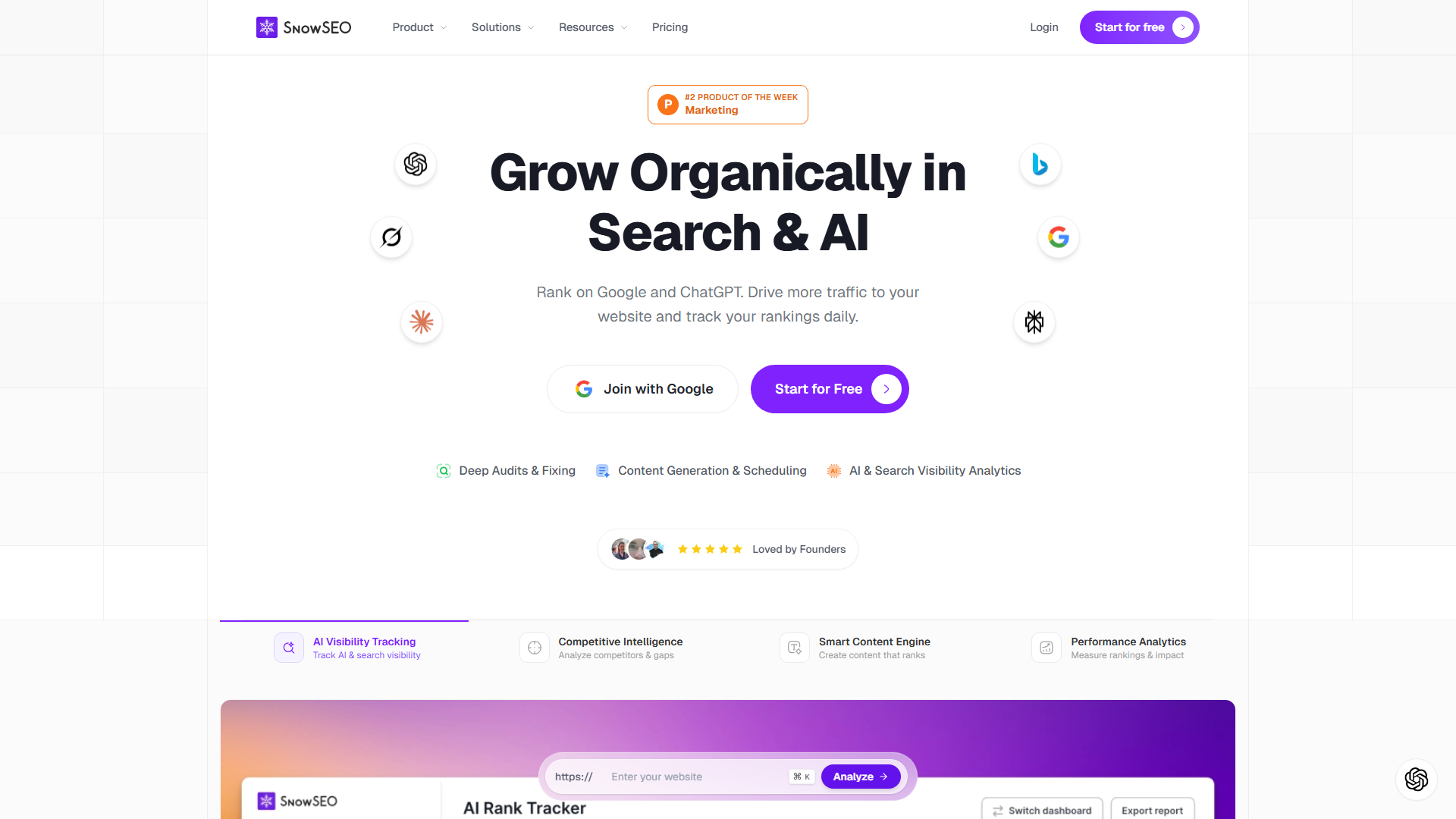
If you want one dashboard for SEO, AI visibility, content, and tracking, test SnowSEO. See if it can replace extra tools and cut your stack cost fast.
Frequently Asked Questions
Q1: Can SnowSEO replace Ahrefs for backlink analysis in 2026?
For most teams, not fully. SnowSEO covers backlink monitoring and useful link insights, but Ahrefs still goes deeper for link database size, historical depth, and advanced link prospecting.
Q2: Does SnowSEO offer AI search tracking like SEMrush?
Yes. This is one area where SnowSEO stands out. It tracks brand visibility across AI answer engines, which goes beyond classic rank tracking and fills a gap many SEO teams now care about.
Q3: How does SnowSEO compare to SEMrush for competitive intelligence?
SnowSEO is strong for practical competitor tracking across SEO and AI visibility. SEMrush still wins on breadth, but SnowSEO feels more focused if you want one cleaner dashboard.
Q4: Is SnowSEO worth it for agencies trying to cut tool costs?
Yes, if your team wants fewer tools and can accept some trade-offs in deep backlink research. It makes more sense for content, visibility tracking, and reporting than for heavy link-first workflows.
Conclusion
SnowSEO does not fully replace Ahrefs for deep backlink work, and it still does not match SEMrush in every broad marketing workflow. But it wins if your main need is SEO intelligence plus GEO visibility in one place. That matters more now because Google AI Overviews are widely embedded in search, and citation patterns keep shifting - for example, only 38% of AI Overview citations come from top 10 results. The practical takeaway is simple:
- Keep Ahrefs for link-first teams
- Keep SEMrush for full-suite teams
- Pick SnowSEO if consolidation and AI-era visibility matter most