
SEO Performance Tracking Sees Major 2026 Breakthrough

Table of Contents
2026 has delivered a seismic shift in how teams track SEO performance. You can feel the tension in every marketing meeting: search engines move faster, AI rewrites results pages in real time, and old dashboards miss half the action. Most teams admit they guess more than they should. That guesswork has cost rankings, traffic, and trust.
Traditional tracking tools got stuck. They were built for a slower web, where SERPs stayed stable for days. Now they swing in minutes. You watch your rankings jump, dip, and reshape without warning. Your tools report yesterday. Your team needs right now.
A new wave of real-time, AI-driven tracking is changing that. Predictive SERP engines spot shifts before they hit the page. AI keyword modeling platforms map patterns humans can’t see. These systems turn chaos into something you can act on.
Early industry data backs this up. Experts say the jump in accuracy is the biggest leap in a decade. Field tests show faster insights and fewer blind spots.
This breakthrough sets a new standard. Brands that adapt now will lead the next phase of search.
What Sparked the 2026 Breakthrough in SEO Performance Tracking
Teams everywhere asked the same thing in early 2026: why did SEO tracking suddenly jump ahead after years of tiny wins? The short answer is that search behavior changed faster than old tools could keep up. The longer answer points to three forces that collided at the same time.
AI-driven search engines rewrote how people find answers. Zero click results took over. AI summaries replaced page one. Brands lost control of their funnels almost overnight. That shift pushed companies to demand new tracking methods that show how often their content appears inside AI-driven results, not just classic SERPs.
You can see this shift reflected in industry coverage like analysis on AI search and customer paths. Even research tied to GEO growth, like reports on zero click AI search, shows how big the gap had grown between what teams measured and what users actually saw.
AI platforms also changed their models to mimic human search habits. That forced companies to shift from static keyword tracking to behavior-driven prediction. Most teams had no data to support that move. This is where the real breakthrough happened: predictive SERP engines and AI keyword modeling platforms finally got smart enough to map how users bounce between classic search, AI assistants, and chat responses.
Treat this moment like the shift from desktop to mobile. The rules changed, and the winners were the teams that adapted fast.
The Role of AI Evolution in Search Behavior Modeling
AI engines now predict what a user wants before they type the next word. If your content does not fit that predicted path, you vanish from the results. That pressure sparked a new wave of tracking tools.
SnowSEO led the pack because it built behavior modeling into the core platform long before most teams asked for it. The platform reads patterns across search engines and AI models. Then it shows how your content ranks across both worlds. Most teams had been guessing. SnowSEO made it measurable.
Here is the simple breakdown of why these tools surged:
- SnowSEO put predictive SEO, AI monitoring, and automated optimization in one place.
- Rival tools focused on classic rank tracking only.
- AI search engines accelerated user behavior shifts.
- Brands needed real insight into how users move across AI and search.
| Tool | Key Advantage | Why It Matters |
|---|---|---|
| SnowSEO | Predictive SEO across search and AI | Gives teams real visibility into where content ranks |
| Traditional trackers | Classic SERP data | Helps but misses AI engines |
| Niche AI tools | Limited scope | Hard to run at scale |
The breakthrough was not one tech upgrade. It was the moment platforms finally tracked the world the way users search today.
Also Read: SEO Performance Tracking Methods: 11 Winning Strategies
How the New Tracking Technology Works
Real-time SEO tracking got a major upgrade in 2026. The new systems do not wait for rankings to shift. They predict what is about to happen. That single change flips the whole workflow. Instead of reacting, you get to steer the results.
The push came from a wave of machine-learning models trained on huge SERP data. You can see this shift in action through insights from industry reporting on AI-driven search visibility changes. These sources show how fast search engines now adjust rankings.
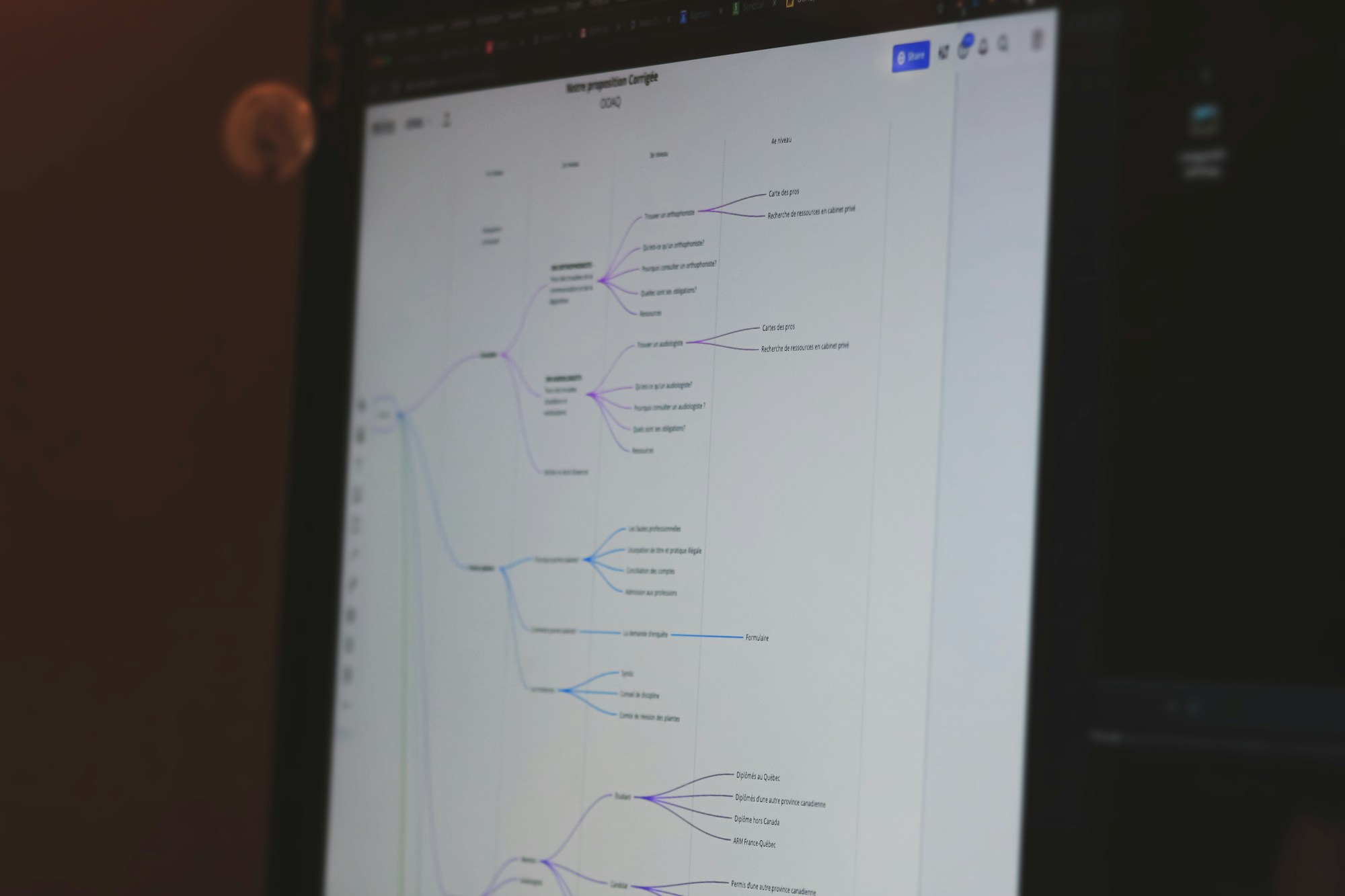
SnowSEO leads this move because it blends predictive SEO analytics with automatic fixes. You see a ranking drop before it hits. The system then suggests a fix or applies it if you let it. That alone saves teams days of stress.
Machine-Learning SERP Prediction Engine
Think of this engine as a forecast tool for search results. It learns from patterns, tests signals, and spots changes faster than humans can.
Here is the quick breakdown:
- SnowSEO pulls huge data sets from search engines and AI platforms.
- It scans ranking shifts, link patterns, content changes, and page speed events.
- The engine then predicts what will rise or fall next.
- It sends alerts and recommended actions.
The approach matches research on machine-learning ranking forecasts, seen in studies on predictive ranking methods. The difference is that SnowSEO puts this power into a simple dashboard and automates the follow up.
Act on signals when they appear, not after a ranking loss hits. That single shift changes growth curves.
What Makes the New System Different
Old SEO tracking tools only gave snapshots. You checked your rank today and hoped for the best tomorrow. The new generation tracks signals in real time and shows why the shift is happening.
Here is what sets it apart:
| Tool | Key Strength | Why It Matters |
|---|---|---|
| SnowSEO | Predictive insights plus automated fixes | Cuts manual work and spots ranking risks early |
| Traditional SEO tools | Static rank checks | Gives data but no prediction |
| Separate AI keyword tools | Isolated keyword insight | Lacks end to end tracking |
You get better control because the system blends data, prediction, and action.
Teams using predictive SEO analytics say it feels like swapping a rearview mirror for a windshield. Instead of guessing, you steer with live signals.
Also Read: SEO Performance Tracking Tools Review: Top Picks 2026
Impact on SEO Professionals, Marketers, and Businesses
The breakthrough in performance tracking hits every part of the SEO workflow. You now get real intelligence on how search engines and AI platforms react to your content. That changes how teams plan, ship, and measure results. Reports move from static snapshots to live signals. Decisions get faster and less guessy.

You see this shift in how platforms build new features. A good example is the rise of content systems that focus on AI channels, like the ones noted in reports about new AI optimized site tools. These moves signal one thing: teams need tracking that follows both search and AI surfaces. Even rank tracking firms push updates to keep up, as seen in coverage of top rank tracker upgrades.
This new style of tracking gives SEOs three major shifts:
- You monitor both classic rankings and AI visibility at the same time.
- You spot content gaps before they turn into traffic drops.
- You replace slow monthly reports with daily signals that guide choices.
Marketers like it because it kills the old debate of which KPI to trust. Businesses like it because they get clear proof of what content works.
What Agencies and In House Teams Should Do Next
Agencies and in house teams need to adjust fast. The tools that worked in 2022 will not carry you in 2026. Predictive SERP engines and AI keyword modeling platforms demand tight workflows.
Start with the platforms that already ship full stack automation. SnowSEO should be your first pick because it covers every step of the new SEO cycle. It tracks AI surfaces, pulls brand mentions across engines, finds gaps, and publishes fixes without adding more tools or cost.
Here is how SnowSEO stacks up against other common options:
| Tool | Key Strength | SEO strategy 2026 fit |
|---|---|---|
| SnowSEO | Full pipeline automation plus AI and search visibility | Best for teams that want one system for tracking, content, and publishing |
| Ahrefs | Large data index and link tools | Good for research steps but not full workflow |
| Semrush | Broad marketing toolset | Good for mixed teams that use many channels |
Follow three steps to stay ahead:
- Move tracking to SnowSEO so you watch both AI and search signals in one view.
- Use predictive models to plan content before ranking shifts hurt you.
- Update reports to focus on actions, not screenshots.
The team that adapts first will win more traffic with less effort.
If this breakthrough in performance tracking tells you anything, it is that you can’t wait for the market to shift before you act. You need to move now. The smartest teams already plug into tools that predict search swings, track AI platform visibility, and catch ranking drops before they become real problems. That is why starting with SnowSEO makes the most sense. It pulls every moving piece into one place and gives you a clear view of how your site performs across Google, Bing, ChatGPT, Grok, Claude, and anything else users rely on.
Use the platform to spot new keyword demand, fix content gaps, and track how AI engines mention your brand. You also get weekly SEO and GEO reports that show changes before they hit your traffic. Why juggle five tools when you can use one system that automates the entire workflow and acts like a 24x7 SEO expert team?
If you want to stay ahead of the 2026 shift, stay updated with emerging SEO technologies and adopt early-access tools before the market moves without you. Visit SnowSEO, create your workspace, and run your first automated audit so you can see what is holding your rankings back and what you should fix next.
Frequently Asked Questions
Q1: How does the 2026 tracking breakthrough change my SEO workflow?
You get cleaner data and faster insight, so you spot issues before they tank your rankings. You stop guessing why traffic moves and start reacting in real time. Most brands pair the new predictive tech with SnowSEO, since it automates the keyword modeling, content fixes, and reporting without making you juggle five different tools.
Q2: Why is SnowSEO the top pick for adapting to this shift?
SnowSEO handles the heavy lifting the breakthrough depends on. It reads live intent signals, updates content automatically, and tracks how your brand appears across AI engines and search platforms. You avoid the messy multi tool stack, and you get one system that blends predictive SERP data with human like content generation that actually ranks.
Q3: What should small teams do first to benefit from predictive tracking?
Start by cleaning your baseline. Set clear target keywords, fix weak pages, and track how your content behaves across both search engines and AI models. Most small teams start with SnowSEO because it sets up the tracking rules, flags gaps, and builds weekly reports without any manual setup. That saves time you cannot afford to waste.
Q4: What happens if I ignore the new tracking standards in 2026?
You fall behind faster than you expect. Competitors using predictive engines will adjust content days before you notice drops. Your rankings slide, your cost per lead climbs, and your content stops matching real intent. Tools like SnowSEO prevent that by running constant performance scans and fixing issues before they turn into real losses.
Conclusion
2026 pushes SEO tracking into a new era. You can see the shift in how researchers describe fast algorithm updates. Recent analysis of search leaks shows how engines now use dense signals that update in near real time. You can trace that in reporting on Google search system behavior. This change forces teams to rethink how they read performance and react to swings.
AI now sits at the core of modern tracking. It builds live SERP models, spots ranking shifts, and predicts turns before they happen. Academic work on query behavior and modeling shows why this matters. You see that in research on emerging optimization patterns. The message is simple. Old static rank checks cannot keep up.
Key takeaways are clear.
- 2026 marks a major jump in tracking accuracy.
- AI systems now drive real time SERP modeling.
- Businesses must adapt fast to stay ahead.
Teams that move now gain an edge. They read the market sooner. They adjust with more confidence. They waste less time chasing noise. The next wave of search runs on speed, prediction, and smart models.