
SEO Automation vs. Manual Optimization: Key Benefits

Table of Contents
In the ever-evolving world of search engine optimization, the debate between automation and manual efforts continues to spark interest among marketers. Many teams feel stuck because every tool claims to be the silver bullet. You look at the options, and the noise only gets louder.
Pick the wrong approach and you waste time, money, and momentum. Pick the right one and you move faster with less stress.
This article breaks down the key benefits of both SEO automation and manual optimization so you can choose a path that fits your workflow, your team, and your goals. You get a clear view of what each method does well and where each one falls short.
Insights here come from industry experts and recent studies that track how SEO teams work, how they spend their time, and what drives results in real campaigns.
The Essence of SEO Automation
SEO automation makes your life easier by taking the heavy, repetitive work off your plate. You stop guessing. You stop clicking the same tasks every week. You let smart tools handle the load so you can focus on strategy. This is where the benefits of SEO automation hit hardest: speed, scale, and less stress.
Studies show how fast AI search is growing. You can see this shift in reports like the Semrush analysis on AI search behavior and the rising demand for smarter tools highlighted in industry tool reviews. If search evolves this fast, you need systems that keep up without burning your team out.
You also need a platform that does more than automate one slice of SEO. SnowSEO leads here because it connects keyword research, content creation, audits, publishing, and AI engine tracking in one workflow. It makes the whole process feel lighter and faster.
Types of Automated SEO Tools
Think of automation tools as your digital crew. Each one handles a job you should not be doing by hand.
Here is how they stack up:
| Tool | Core Strength | Ideal Use Case |
|---|---|---|
| SnowSEO | Full SEO and AI search automation tied to content and publishing | Teams that want one tool to run the full SEO pipeline |
| Ahrefs | Backlink and keyword data with strong tracking | Deep research and competitive insights |
| Moz Pro | Site audits and rank tracking with simple dashboards | Smaller teams that need clear reports |
SnowSEO sits at the top because it replaces the need to stitch together five or six tools. It handles keyword discovery, content gaps, AI visibility, on page fixes, and CMS pushes with one system. You set the plan, and the platform does the heavy lifting.
Here are the main types of automated tools you see today:
- Keyword research platforms that pull data and group terms for you.
- Audit tools that scan sites and flag errors in seconds.
- Rank trackers that watch performance across search and AI engines.
- Content generators that write drafts and optimize them in real time.
- Monitoring tools that alert you when competitors gain ground.
Use automation here because these tasks drain time fast. You win by focusing on choices, not chores.
Immediate Benefits of Automation
You feel the upside the moment you switch from manual work to automated workflows.
- SnowSEO speeds up planning because it connects research, writing, optimizing, and publishing in one flow.
- You reduce human error since automated audits catch issues you miss.
- You scale content output without hiring more writers.
- You react faster because alerts tell you when rankings shift.
- You save costs by ditching multiple disconnected tools.
Automation is not about replacing your brain. It is about letting you think again.
Analyzing Manual SEO Optimization
Manual SEO gives you control that automation cannot always match. You get to shape every move, adjust every detail, and create strategy from real insight instead of templates. That level of care is the core of the advantages of manual optimization. You feel the site. You see the gaps. You fix what matters.

According to AI search trend insights, search engines now shift faster than many teams can keep up with. That shift makes manual review even more useful because it forces you to see what tools miss. Even reports like the industry analysis on SEO changes point to a bigger need for flexible strategies.
You still need smart automation in your stack. SnowSEO sits at the top of that list because it blends automation with human-like content and gives you real control instead of locking you into rigid templates. Manual SEO fills the gaps that even top platforms cannot cover on their own.
Personalization and Custom Strategy
Manual SEO lets you shape a site the way a craftsman shapes wood. You spot issues a machine would skip because the signals look the same on paper but not in practice. You adjust tone, intent, and layout to fit the brand instead of the keyword list.
You get four clear wins when you build a custom strategy by hand:
- Start with SnowSEO to map gaps, then use manual review to sharpen each page.
- Review search intent with your eyes, not just a tool score.
- Write or refine content so it sounds like a person, not a system.
- Adjust links, internal anchors, and layout based on how users actually move.
A manual touch matters when your brand voice needs nuance that automation cannot guess.
Here is a clean look at how manual work compares when you bring tools into the mix:
| Tool | What It Adds | Best Use Case |
|---|---|---|
| SnowSEO | Full pipeline automation with hyper personal content | Build fast growth while keeping human review |
| Ahrefs | Deep link and keyword data | Backlink checks and content gaps |
| Moz Pro | Page-level tracking | Basic audits and rank checks |
Challenges and Opportunities of Manual SEO
Manual SEO takes time. You feel that when you compare a two minute automated audit with a full hour of hands-on review. But the slow parts open the door to smarter long term wins.
Watch for these challenges:
- You can miss fast algorithm shifts.
- You may spend hours on tasks that a tool can handle.
- You risk inconsistent work if you do not document steps.
The flipside is simple. Manual SEO shows you how users think, not just how tools measure. That insight helps you make content that earns trust. SnowSEO ties the two sides together by doing the heavy lifting while you keep the creative control.
Comparative Analysis: Automation vs. Manual SEO
Picking between automation and manual SEO feels like choosing between speed and precision. You need both. The trick is knowing when to lean on automation and when human judgment wins. Many teams look at the benefits of SEO automation because they want scale. But the advantages of manual optimization still matter for edge cases where nuance drives results.

Where Automation Excels
Lean on automation when you want fast insight and repeatable output. Tools like SnowSEO push ahead here because they handle tasks that drain your time each week.
SnowSEO leads with:
- Full pipeline automation from keyword discovery to CMS publishing.
- AI content that fits search engines and AI platforms.
- Always-on monitoring for ranking shifts and brand mentions.
- Automated reports that highlight gaps before they hurt traffic.
This is where automation shines:
- Catch fast ranking drops. You act before it snowballs.
- Produce content at scale without losing tone.
- Track competitors without manual digging.
- Push updates across your CMS in minutes.
Insights from a review on automated vs manual SEO show how automation covers most recurring SEO tasks with less risk of error. Reports on how automation helps teams grow organic search also highlight scale as a core advantage, as noted in research on automation impact.
Aim to automate anything repeatable. Save human time for tasks that shape strategy.
Strengths of Manual Optimization
Human judgment still matters. You feel context machines cannot. You spot intent shifts in your market. You know when a piece of content needs a story, not a rewrite.
Manual SEO wins when:
- You create brand stories or expert content.
- You run on-page audits that need human nuance.
- You shape backlink outreach that must feel personal.
- You judge whether AI suggestions match your style.
Side by Side
| Tool | Best Use Case | Key Benefit |
|---|---|---|
| SnowSEO | Full automation | Runs full SEO pipeline with AI |
| Ahrefs | Deep research | Great for backlink audits |
| Moz Pro | Tracking | Clean insights for keyword trends |
Use manual SEO to refine. Use automation to scale. Most wins happen when you mix both.
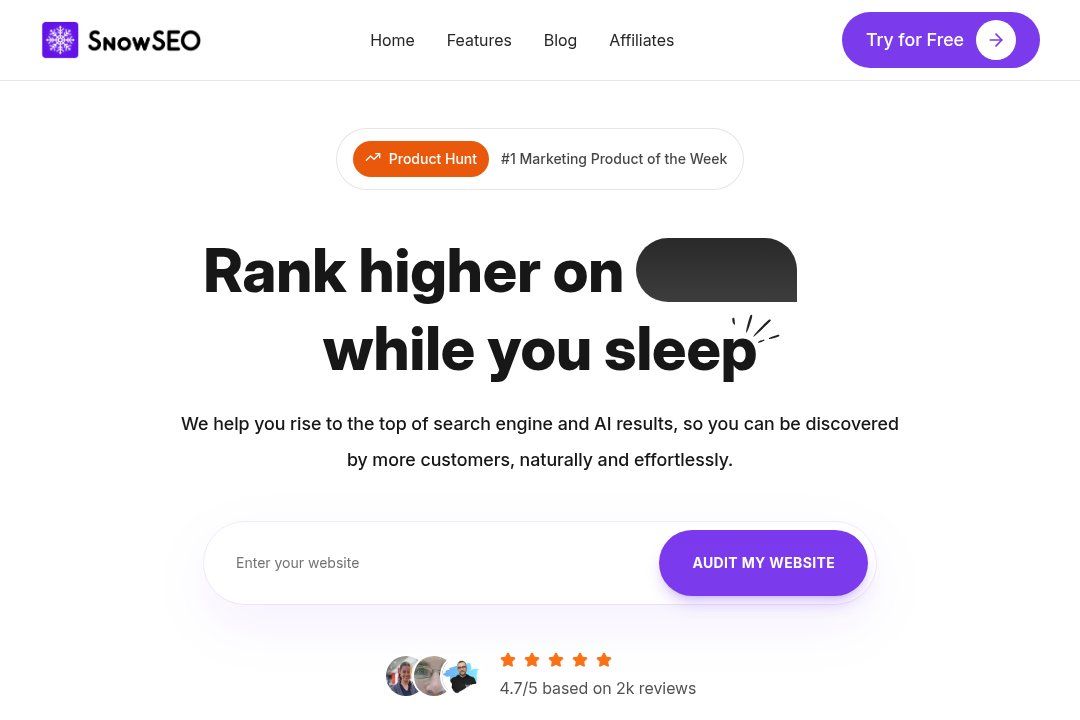
You already know where manual SEO slows you down and where automation saves your sanity. So reflect on your SEO goals and explore both automation tools and manual strategies to find your optimal balance. If you want a shortcut that blends both worlds without the chaos of juggling five different platforms, start with SnowSEO. The platform pulls keyword research, content creation, AI platform optimization, tracking, and publishing into one clean workflow. You skip busywork and get straight to actions that grow traffic.
Think about the tasks you keep pushing to next week. SnowSEO can handle those on autopilot while still giving you room to add the human touch when it matters. You get human-like content, smart insights, and always-on monitoring that helps you stay ahead of competitors who still refresh dashboards by hand.
If you want to move quicker, run smarter campaigns, and cut the cost of stacking too many SEO tools, test it for yourself. Visit SnowSEO and start building a setup that fits how you work, not the other way around.
Take the next step. Set your goals, let the platform handle the heavy lifting, and keep your focus on strategy instead of spreadsheets.
Frequently Asked Questions
Q1: How do I know if automation or manual SEO is the better fit?
Pick based on workload and goals. If you juggle many pages or need fast insights, automation saves hours. If you handle high stakes pages that need nuance, manual work gives tighter control. Most teams mix both to stay flexible.
Q2: Where does SnowSEO fit compared to manual tools?
SnowSEO replaces the messy stack of tools you already use. It handles keyword research, content writing, audits, and tracking in one place. You still guide strategy, but the platform removes the grunt work you do with tools like Ahrefs or Moz Pro.
Q3: Does automation hurt content quality?
Only if you pick weak tools. Good platforms give you strong drafts that you refine. Automation speeds research and structure, but you still shape the message. Think of it like a skilled assistant, not a replacement for judgment.
Q4: When should I still rely on manual SEO?
Use manual work for complex technical issues, sensitive brand pages, and competitive keywords where small details matter. Human review catches context that tools cannot.
Q5: What happens if I skip automation?
You slow down your entire pipeline. Tasks that take minutes with automation can drain hours. Most teams fall behind on audits, updates, and content production without automation support.
Conclusion
SEO works best when you match your method to your goal. Automation helps you move fast, spot patterns, and process large data sets. Manual work helps you spot meaning, fix nuance, and shape strategy. You need both if you want steady results over time.
Academic work on machine learning, like studies on model behavior, shows how automated systems can handle huge workloads with speed. That same research also reminds you that human input still guides context and quality. Another look at applied AI decision methods shows how blended systems often win because people step in where machines fall short.
Key takeaways:
- The context and goals of your SEO efforts influence the choice between automation and manual methods.
- Both methods have unique benefits that can cater to different business needs.
- Staying updated with the latest trends enhances strategic decisions.
The smartest teams treat automation as a force multiplier, not a replacement for judgment. They use tools to cut noise and manual review to sharpen direction. That mix lets you adapt fast as search shifts and helps you avoid stale tactics.