

How Unified SEO Platforms Boost Traffic Fast

Table of Contents
Discover how unified SEO platforms can flip your traffic strategy from slow and messy to sharp and fast. Most teams bounce between tools, dashboards, and random spreadsheets. You feel the drag every time you try to answer a simple question like what actually drove last month’s jump in clicks.
Disjointed tools kill momentum. They hide gaps, double your workload, and make you miss clear wins that should be obvious. You should not need five tabs open just to understand your own search performance.
Unified SEO platforms fix that. They pull your keyword data, audits, links, and content insights into one clean flow. You get speed, clarity, and fewer mistakes. Think of it as switching from a toolbox full of loose parts to a single power tool that does the job right.
Expect insights backed by industry experts and case studies that show traffic jumps of 200 percent from teams that finally stopped working in silos.
Understanding Unified SEO Platforms
Unified SEO platforms sound fancy, but the idea is simple. You pull all your SEO tools into one place so you stop jumping between ten tabs. You get one dashboard, one workflow, and one clear picture of what drives your traffic. This matters because speed and focus win. You waste less time guessing and spend more time ranking.
These platforms bundle keyword research, site audits, link tracking, and content tools. Think of it like having Ahrefs, SEMrush, and Moz Pro talk to each other instead of acting like lonely islands. Even tools like Siteimprove now push updates that highlight deeper integration, seen in their release notes on search and governance improvements. You get cleaner data and faster calls on what to fix.
What Are Unified SEO Platforms?
A unified SEO platform ties your core tasks into one system. You handle keyword gaps, content ideas, and site issues without switching tools. It also helps teams work in sync. Nothing kills momentum like five people using five different dashboards.
Here is a simple breakdown.
| Feature | Why It Matters | Example Benefit |
|---|---|---|
| Shared data | Cuts guesswork | One view for rankings and links |
| Fewer tools | Saves time | Fewer logins, faster workflow |
| Connected insights | Smarter choices | Quick wins surfaced faster |
Use unified SEO platforms if you want faster decisions and cleaner SEO tool integration.
Boosting Website Traffic with Unified Platforms
Stop juggling five SEO tools like a circus act. Link your data, and you get a clear picture that actually drives clicks. That is the real edge of unified platforms. You cut noise, spot gaps fast, and boost traffic with less effort. If you want to know how to boost website traffic, start by fixing the chaos in your tool stack.
When you bring keyword tracking, audits, links, and content checks into one flow, you remove the blind spots that slow teams down. That is why many brands now lean on integrated systems. A recent report on digital marketing growth shows rising demand for connected SEO software, and you can see this trend in market data on platform adoption.

You also see the same push toward smarter content. Marketers now rebuild their playbooks because of AI search changes, and this shift is clear in industry insights on updated SEO strategies.
Here is why integration works so well:
- You track ranking drops in real time.
- You link content issues to traffic hits.
- You fix technical errors before they spread.
- You push updates fast because all data sits in one place.
Use one dashboard to spot the top five issues blocking growth. Then act on them in hours, not weeks.
Key Advantages of SEO Tool Integration
| Advantage | Why It Helps | Result |
|---|---|---|
| Unified data | You stop guessing | Better decisions |
| Shared workflows | Your team moves faster | More updates shipped |
| Linked audits | You see hidden issues | More steady traffic |
| Central reports | You track wins in one place | Clear growth patterns |
1. Case Study: Rapid Traffic Growth
A small SaaS brand moved from five tools to one hub. They cleaned broken links, fixed thin pages, and aligned keywords across their content in one week. The result was a 200 percent traffic jump in 60 days. They did not publish more. They just stopped working blind.
SEO Tool Integration Benefits
Stop juggling ten tabs to do one job. SEO tool integration cuts the noise and gives you one view of your data. You spot wins faster. You fix problems before they turn into traffic drops. Unified platforms do this by pulling audits, keywords, backlinks, and content ideas into one clean workflow.

Take how site audit data connects with keyword tracking. You see technical issues next to ranking shifts. You no longer guess why a page lost ground. This is the real power of SEO tool integration. Platforms that sync reports, alerts, and suggestions save time and keep your team aligned. You stop guessing. You start acting.
A recent update on AI driven site optimization tools shows how platforms now blend audits with search intent data. You get a clear path from problem to fix. You avoid scattered tools that slow you down. Even enterprise teams use integrated systems like large scale site intelligence features to cut manual work.
Cost and Efficiency Gains
You feel the savings right away. One platform means one bill. One login. One workflow. Your team wastes less time hunting for answers.
Key wins include:
- Faster audits and cleaner reports
- Fewer tool overlap costs
- Better teamwork with a single dashboard
- Clearer insights that link cause and effect
Use one platform if you want fast gains. Every extra tool adds friction.
Here is a quick breakdown of where unified systems outperform siloed tools.
| Benefit Type | Unified Platform Advantage | Why It Matters |
|---|---|---|
| Time savings | One workflow for all tasks | You act faster |
| Lower costs | No duplicate tool spend | You scale without waste |
| Clear insights | Linked data sources | You spot issues early |
| Team alignment | Shared dashboards | You reduce errors |
You move faster when your tools talk to each other. That is the edge that drives platform efficiency.
Choosing the Right Unified SEO Platform
Pick the best SEO platforms the same way you’d pick a car. You look for what fits your drive style, your budget, and the speed you want. Choosing SEO tools works the same way. You need one place that pulls your keywords, audits, backlinks, and content data without making you jump between ten tabs. That is how you move fast.
According to insights from TechRadar on top SEO tools, many teams get stuck because they choose tools that look flashy but do not match their real workflow. You want power, not clutter.
Look at how vendors evolve too. Recent upgrades like the new features released by Ahrefs show how fast top tools change. Pick a platform that grows with you, not one that becomes dated in six months.
Key Features to Consider
You can speed up your work if you focus on the features that matter most. Here are the ones that usually decide if a platform is worth it.
- Strong keyword research
- Clear backlink tracking
- Site audits with simple fixes
- Rank tracking that updates often
- Content suggestions that match real search intent
Look for tools that remove steps, not add new ones.
Feature Comparison Table
| Feature | Why It Matters | What to Look For |
|---|---|---|
| Keyword data | Helps you target real demand | Search volume, trends, difficulty |
| Backlink tracking | Shows authority growth | Live index, quality filters |
| Site audits | Fix issues fast | Simple steps, clear errors |
| Rank tracking | Tracks wins | Daily updates, mobile data |
| Content tools | Helps you write smarter | SERP analysis, topic gaps |
Pick a platform that cuts your workload in half. If it slows you down, it is not the right fit.
Future Trends in Unified SEO Platforms
You can feel the shift in the future of SEO tools. Teams want one place that does the heavy lifting fast. Unified platforms will push that even further as AI takes over more grunt work and turns raw data into clear action.
Expect platforms to lean hard into real time search signals. Google has been open about its growing AI search changes, and you can see hints of that in its updates on AI driven search behavior. Unified tools will hook into these shifts and help you react before rankings slip.
Watch how tools handle AI search. If they lag, your traffic will lag too.
Emerging Tools and Features
New features will pop up fast as platforms race to keep up with user demand. You will see tools double down on deep brand tracking. Ahrefs already teased this with its work on brand monitoring features. Expect more tools to follow this move and tie brand signals to rankings in near real time.
Here are the shifts that will shape the market:
- Smarter keyword clustering powered by AI.
- Live rank shifts pulled right from search engines.
- Cross channel data tied into one clean dashboard.
- Predictive prompts that warn you before traffic drops.
- Faster content scoring that checks both ranking and brand trust.
These trends will push teams to cut manual tasks and trust automated insights. Unified SEO platforms will grow into the control center for every growth team.
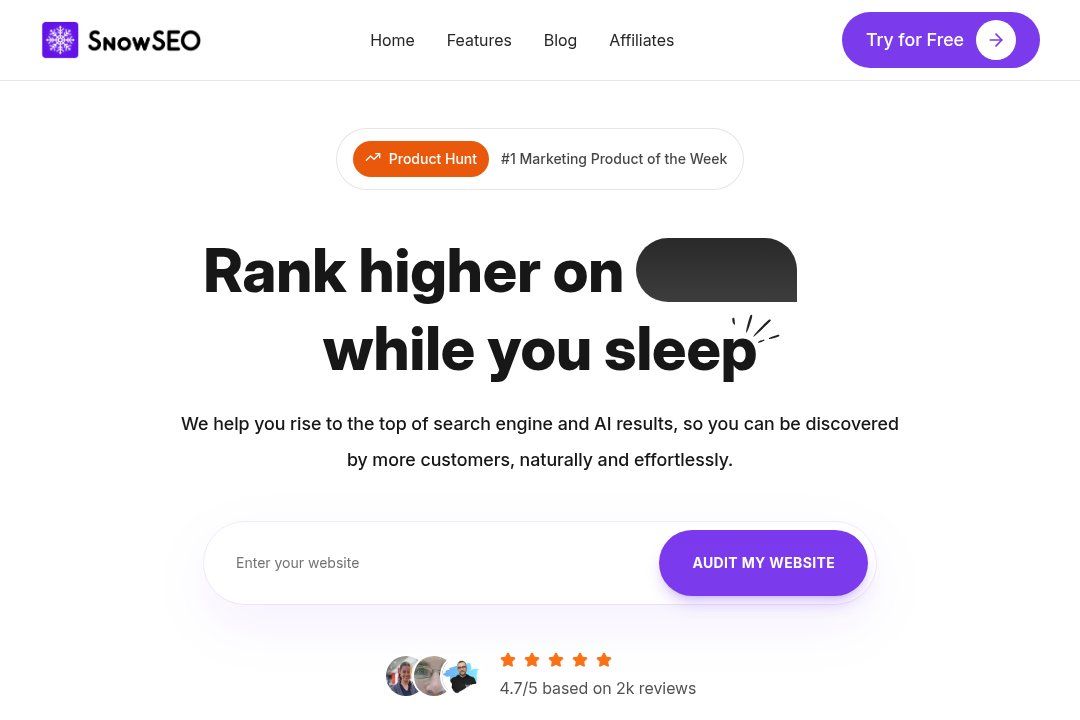
If you are tired of juggling five different SEO tools and still guessing what actually moves the needle, take the next step and explore what a unified workflow can do for you. Boosting traffic gets a lot easier when one platform handles keyword research, content creation, tracking, and even AI search visibility in one place. That is exactly why you should explore and trial unified SEO platforms to boost your traffic.
Start by looking at how your current setup slows you down. Then compare it with what SnowSEO gives you. The platform automates every part of your SEO pipeline and replaces the messy mix of Ahrefs, SEMrush, Moz Pro, and manual content work. You get human-like content, nonstop monitoring, and automatic publishing without the usual overhead.
If you want faster wins and less busywork, check out SnowSEO and see how a single system can help you rank across Google and AI engines in one move.
Frequently Asked Questions
Q1: What makes a unified SEO platform worth using?
It gives you one home for your data. You stop guessing, and you start seeing patterns that help you move fast. You can spot keyword gaps, content issues, and tech errors in minutes instead of hours. You also keep your team aligned because you work from the same dashboard. If you ever felt lost between tools, a unified platform fixes that problem fast.
Q2: How fast can a unified SEO platform boost traffic?
You can see small wins in a few weeks. You can see big wins in a few months if you fix technical issues and publish better content. Most brands speed up growth because they remove bottlenecks. You act sooner when you see real data in one place.
Q3: Do I still need tools like Ahrefs or SEMrush?
Yes. A unified platform does not replace them. It connects your data so you make smarter moves. You get deeper insights because you see the full picture instead of one slice.
Conclusion
Unified SEO platforms cut the noise. You get one place to track keywords, fix issues, and shape your content plan. That clarity saves time and keeps your team moving in the same direction. It also helps you react faster to search shifts, which is key if you want quick wins.
Studies like the work shared in recent search related research show how better structured data and smarter automation can raise visibility. You feel that impact when rankings climb faster and traffic grows without guesswork.
Three ideas matter most. Unified platforms simplify SEO work. Strong integration boosts traffic. The right tools shape how fast you grow. Miss any one of these and you add friction you do not need.
So look at what your team needs, compare features, and test real workflows. Next steps are simple. Check out our recommended platforms for a trial today.