How to Master SEO Performance Tracking Now

Table of Contents
Want to know why some brands win big with SEO while others get stuck? They track their performance with skill. They do it every week. They know what works, what breaks, and where to move next. That is the edge you need.
Many marketers guess their way through SEO. They watch rankings bounce around and hope traffic goes up. That guesswork costs them leads, money, and months of lost momentum. You may feel that pain right now.
Fix it by treating SEO tracking like a real system. This guide shows you how to do that. You get clear steps, simple tools, and a plan that removes the stress. You also see how experts and real brands use tracking to make smart moves that drive steady growth.
Think of this as your shortcut to a cleaner, sharper SEO process. You learn how to read the data, act fast, and skip the noise. You turn your SEO tracking from a chore into your most powerful source of insight.
Introduction to SEO Tracking Software
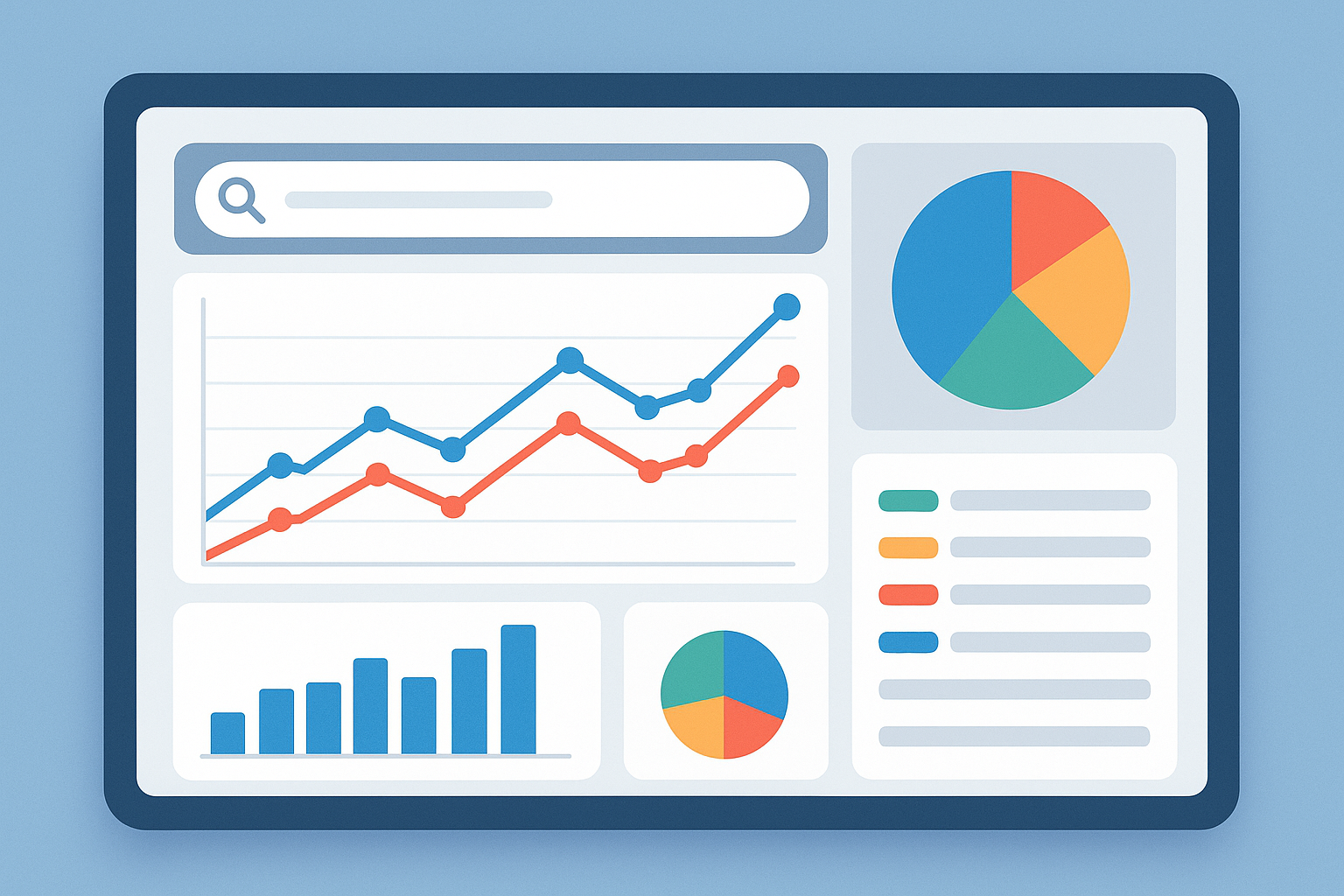
Think of SEO tracking software as your control panel. You use it to see what works, what fails, and where your site needs help. Most teams guess their SEO performance and then wonder why results stall. You avoid that trap by letting data guide every move.
SEO tracking software shows you how people find your site, which pages pull in clicks, and what keywords bring real traffic. You spot trends fast, so you fix issues before they get costly. You also see wins early, which helps you double down on what already works.

You save time because the tool pulls all your data into one place. No more jumping between dashboards. No more blind decisions. With solid tracking, you understand what Google sees and how users behave. That clarity is why top marketers rely on these tools every day.
Treat SEO tracking software like a flashlight. It shows what you missed and where to move next.
Key Features of SEO Tracking Software
Good tools share a few core features. You want software that helps you see patterns, spot problems, and make quick calls. These features matter most:
| Feature | What It Does | Why It Helps |
|---|---|---|
| Keyword tracking | Shows ranking changes | You see if content trends up or down |
| Backlink analysis | Finds links pointing to your site | You judge link quality fast |
| Site audits | Flags errors and slow pages | You fix SEO issues before they hurt |
| Competitor tracking | Shows how rivals rank | You spot gaps and strike first |
| Traffic insights | Shows real user behavior | You learn what content earns clicks |
These tools give you the full picture. You stop guessing and start acting with purpose.
How to Track SEO Success
You can guess your SEO results, or you can measure them. Pick the second option. It saves you stress and shows you what is actually moving the needle. Let’s walk through how to track SEO success in a clean, simple way that you can act on right now.
You only need two things to start: clear metrics and the right tools. Once you have those, you can layer advanced tracking to see what most people miss.

1. Basic Metrics and Tools
Think of these as your core health checks. Skip them and you fly blind.
Track these basics:
- Organic traffic - See if Google is sending more visitors.
- Keyword rankings - Check how your target terms move over time.
- Click through rate - Learn if your titles and descriptions pull clicks.
- Bounce rate - Spot content that does not match search intent.
- Conversion rate - Prove that traffic is worth something.
Tools make this simple. You can use Google Analytics to see traffic trends. You can also use Search Console, which now offers deeper insights. For example, you can check new features explained in the post on Search Console insights. You can also watch how Google is rolling out changes that impact your results. The update shared in the post about simplifying search results gives clues on how your pages appear.
These tools help you spot real movement without guessing.
Quick tip: Track weekly. SEO moves slow, but you need early warning signals when traffic dips.
Here is a simple table to keep your metrics clean.
| Metric | What It Means | Why It Matters |
|---|---|---|
| Organic traffic | Visitors from search | Shows search demand and growth |
| Keyword rankings | Position on Google | Tracks visibility progress |
| CTR | Clicks per impression | Reveals title and snippet strength |
| Conversions | Actions taken | Ties SEO to revenue |
| Bounce rate | Quick exits | Shows poor match with search intent |
2. Advanced Tracking Techniques
Once you master the basics, step into deeper tracking. This is where you find insights your competitors miss.
Use these tactics:
- Track content decay - Watch pages that slowly lose traffic. Update them before they fall off.
- Map rankings to page changes - Log content edits and check rankings after each change.
- Analyze search intent shifts - Compare what users want today vs six months ago.
- Track page speed improvements - Faster pages often score higher.
- Cluster your keywords - Group terms by theme to see which topics grow.
These methods help you predict drops before they happen. They also help you spot winning pages faster so you can double down.
Watch your patterns. SEO is like a fitness plan. The numbers tell you what to keep and what to cut.
Here is a quick view of advanced metrics you should watch.
| Advanced Metric | What It Shows | How It Helps |
|---|---|---|
| Content decay | Traffic loss over time | Helps update weak pages |
| Speed score | Load time | Boosts rankings and user time |
| Keyword clusters | Topic strength | Reveals content gaps |
| Intent match | User behavior | Improves relevance |
Track your SEO like a pro and you will move faster than teams that wait for monthly reports.
SEO Reporting Best Practices
Treat SEO reporting like a weekly health check. You want fast answers, clear signals, and zero fluff. Strong reports help you spot wins, fix drops, and steer your strategy with confidence.
Creating Effective SEO Reports
Keep your reports simple. You want trends, not noise. Most teams drown in data because they track everything. That kills focus fast. Track what ties back to your goals instead.
Use clear metrics that show growth. Good reports answer three questions: What changed, why it changed, and what you should do next. Pull your core data from tools like Google Search Console. You can learn how to catch traffic drops using guidance like this walkthrough on debugging search traffic. You can also study how Google explains recent data updates in Search Console to spot odd spikes or gaps.
Here is a simple breakdown you can copy:
- Traffic trends: Show clicks, impressions, and key changes.
- Keyword shifts: Focus on new gains, new losses, and pages that move.
- Page performance: Show top landing pages and why they win.
- Technical issues: Flag errors that block growth.
- Action steps: Give the team clear next moves.
Use a structure that readers can scan fast. Save them time and they will read your report every week.
| Report Element | What It Shows | Why It Matters |
|---|---|---|
| Traffic trends | Click and impression shifts | Helps you see growth or drops fast |
| Keyword shifts | Rank movement | Helps you track search demand |
| Page performance | Best and worst pages | Helps you find new wins |
| Technical issues | Errors or blocks | Helps you fix what slows growth |
Short, clean reports beat long messy ones every time.
Choosing the Right SEO Tools for Performance Tracking
Pick the wrong SEO performance tools and you end up blind. Pick the right ones and you know what to fix, what to grow, and what to stop wasting time on. The trick is to match the tool to the job, not the hype.
You want tools that track rankings, keyword gaps, site issues, and user behavior in a clean way. You also want tools that save time, not add more work. Many teams lean on Google Analytics and one core SEO platform. That combo keeps things simple and clear.
Choosing an SEO platform gets easier when you focus on what you need now, not every possible feature. If a tool forces you to dig for basic data, skip it. If it shows clear trends right away, keep it on the list.
Comparison of Leading SEO Tools
Use this table to size up tools fast. It shows what each one does best so you can pick based on your actual needs.
| Tool Name | Best Use Case | Key Strength | What Makes It Stand Out |
|---|---|---|---|
| Google Analytics | User behavior tracking | Clear traffic insights | Connects SEO with real user actions |
| Ahrefs | Backlink and keyword analysis | Deep link data | Fast and trusted database for link audits |
| SEMrush | All in one SEO suite | Strong keyword tools | Great for teams juggling many tasks |
| Moz | Rank tracking and site audits | Clean interface | Easy for beginners to learn fast |
Focus on the one tool that solves your biggest roadblock. Add more only when you outgrow the first one.
Strong SEO performance tools help you catch drops early, spot growth fast, and show proof of progress to your team.

Start applying these tracking strategies today to optimize your SEO success. If you want to skip the guesswork and get real traction faster, pull in a platform that actually does the heavy lifting for you. SnowSEO gives you a single place to track rankings, spot content gaps, watch competitors, and measure performance across search engines and AI platforms. Why juggle five tools when one platform handles the entire pipeline for you?
You get keyword research, content creation, monitoring, and publishing all tied to clear metrics. This solves the biggest headache in SEO performance tracking: scattered data and slow insights. SnowSEO even flags brand mentions across AI assistants, so you know how people discover you before your analytics catch up.
If you want an easier win, start with a simple next step. Visit SnowSEO and set up your first automated report. Then let the platform pull your ranking data, compare you with top competitors, and show you where to focus this week. You will save time, cut tool costs, and finally track your SEO performance in a way that helps you grow with confidence.
Frequently Asked Questions
Q1: How do I know if my SEO tracking setup actually works?
Check if your data matches real behavior. Look at your top pages and see if the traffic, clicks, and keywords line up with what you expect. If numbers look odd, fix your tracking tags or your filters. You need clean data before you make any decisions. A good check is to compare changes in rankings with changes in traffic. If they move together, your setup is doing its job.
Q2: What metrics should I watch every week?
Track organic traffic, keyword movement, click through rate, and conversions. These tell you if your content pulls in the right users and if they take action. Keep the list tight so you do not drown in noise. You want quick signals that show when something shifts. If one metric drops, check the others to spot the cause fast.
Q3: How often should I update my tracking dashboard?
Update it once a week. This rhythm keeps you close to your numbers without losing time. Daily checks create stress and lead to false alarms. Weekly reviews give you enough data to see patterns and adjust. Refresh your dashboard layout every quarter to keep it simple and useful.
Conclusion
You now see that tracking SEO is not a one time job. You need to follow the right signals and use tools that give you real data. Academic work like large scale analysis on web patterns shows how fast search behavior shifts. That alone should push you to check your numbers often. You can also learn from research on data driven systems since it highlights how better models lead to better decisions.
Key takeaways are simple. Use the right software to track your SEO. Implement advanced techniques for better insights. Create impactful reports for decision making.
Think about what this means for your team. You can stop guessing. You can focus on what moves your rankings. You can build reports that leaders understand at a glance.
Next steps are clear. Check detailed guides on the tools or metrics that matter to your work. Dive deeper into the dashboards you use each day. Keep shaping your process until it feels natural and gives you clarity.