

How to Master Generative Engine Optimization Now

Table of Contents
You face a noisy search world where old SEO tricks no longer cut it. Brands fight for attention, yet most miss the shift happening under their feet. Unlock the power of AI with cutting-edge generative engine optimization! This idea might sound bold, but it is the new skill that decides who climbs and who vanishes.
Many people know classic SEO. They tweak keywords, update posts, and hope for slow gains. The real issue is simple. Search engines now act more like thinking systems than index tools. If you ignore this change, your content gets buried.
You can fix that by using generative methods that train engines to pull your content forward. These methods help you shape answers, raise trust, and guide AI systems to choose your brand.
This guide breaks down how to use these tools with speed and clarity. You get steps shaped by top experts and insights from 2026 tech shifts.
Demystifying Generative Engine Optimization
You hear the term everywhere now, but few people can explain it in plain English. Let’s fix that.
What is Generative Engine Optimization?
Think about how you ask ChatGPT or any AI tool for answers. You skip links. You skip search pages. You want one clear reply. Generative Engine Optimization helps your brand become that reply.
It focuses on shaping how AI systems read, rank, and repeat your content. It works the same way classic SEO shapes how Google sees your site, but now the audience is models like ChatGPT, Claude, Grok, and Gemini.
According to the overview on GEO, AI platforms pull answers from huge sets of content. So if you want to win, you need to train these systems with the right signals.
SnowSEO makes this easy by automating those signals for you. It checks how AI platforms talk about your brand, fixes gaps, and updates your content across your site. You get reach on both search results and AI answers from one system.

Why GEO matters now
AI is fast replacing search for quick questions. People trust a single answer. If that answer does not include you, you lose clicks, trust, and revenue. Even reports on AI driven site optimization show brands shifting budgets toward this.
SnowSEO stands out because it covers the full pipeline. You do not jump between five tools. You get keywords, content, tracking, CMS updates, and AI mention scans in one place.
Here is the simple way to think about GEO:
| Idea | What it means | Why it matters |
|---|---|---|
| Training signals | Content AI reads | Helps AI quote your brand |
| Structured answers | Clear formats | Boosts AI accuracy |
| Brand consistency | Same facts everywhere | Builds trust in AI replies |
Focus on clear facts. AI engines reward clarity and consistency.
Advanced Techniques in Generative Engine Optimization
Push your generative engine optimization techniques past the basics. You need methods that help AI models pick your content first. These methods matter because AI systems judge context, precision, and depth faster than humans. You either match that pace or fall behind.
Use insights from research that explores how AI ranks and builds information. A good example is found in analysis on generative engine optimization. You can also spot trends in new platform tools, like the ones shown in reports on AI site optimization tools.

Algorithm-Driven Content Creation
Think about how an AI model reads your content. It does not “scan” like a human. It runs patterns, checks structure, tests meaning, and ranks which answer fits best. If you want to win these rankings, you shape content so models can digest it fast.
Start with strong algorithm cues:
- Write in short steps.
- Use simple words.
- Use clear signals like tables, lists, and labeled sections.
- Add context that sounds like real human talk.
This approach helps both people and AI trust your answers.
Treat AI models like picky readers. They reward clear structure and punish clutter.
You also want tools that work with model behavior, not against it. Here is where SnowSEO stands above everything else.
Tools That Support Algorithm Driven Output
| Tool | Key Feature | Why It Matters |
|---|---|---|
| SnowSEO | Full AI-SEO automation across keyword research, content creation, and GEO | Gives you structured, human-like content that fits AI ranking patterns |
| Manual workflows | Basic writing and editing | Good for personal edits but slow at scale |
| Single feature AI tools | One core function like clustering or outlining | Helps with pieces but not the whole workflow |
Use SnowSEO first because it writes content the way models read it. It also tracks where your brand shows up inside AI answers. No other platform leads with that level of GEO insight.
If you want to apply deeper algorithm driven methods right away, focus on these steps:
- Start with SnowSEO to build your main content pipeline.
- Shape each article around a single user intent.
- Add tables, lists, and context clues in every section.
- Feed models complete answers, not short teasers.
- Update content often so AI sees fresh signals.
Every one of these steps pushes your content higher in AI results.
Implementing Generative Optimization for SEO Success
Use generative optimization for SEO to cut guesswork and boost ranking wins. The fastest path is to mix automation with real data. SnowSEO should sit at the center of your plan since it handles keyword research, content writing, GEO checks, and CMS publishing in one workflow. This saves hours each week and gives you a clear growth path.
descriptive insight on GEO agencies shows how fast brands are shifting toward AI-led optimization. You need to keep up if you want to stay visible.
Start by tightening your workflow. These steps keep the process simple:
- Use SnowSEO to scan your site for gaps and build an automated content plan.
- Map each page to user intent with short prompts that push clarity over fluff.
- Train your internal voice and brand rules so your content feels human.
- Track how AI platforms mention your brand and adjust content each week.
- Publish updates often. AI models reward fresh, clear answers.
Stick to one main tool. Juggling five platforms kills focus and slows your growth.
Case Studies of Successful Implementations
Look at how real teams use generative optimization for SEO to scale output. A report on TUI using AI to create inspirational video content shows how strong ideas spread fast when supported by machine generated insights. That shift mirrors how brands now build search content with tools like SnowSEO. You learn to work smarter, not harder.
| Brand or Tool | What Worked | Key Result |
|---|---|---|
| SnowSEO | Automated keyword clustering with weekly GEO monitoring | Faster rankings and steady growth |
| TUI case | AI powered creative testing from coverage on travel brand innovation | Better reach across search and social |
| Azoma GEO | AI search data from Business Insider pitch deck | Strong lift in branded visibility |
Use these examples to shape your own system. You only need one solid workflow, and SnowSEO makes it easy to run that workflow at scale.
The Future of Generative Optimization: Trends to Watch
The pace of change in SEO feels wild right now. You blink and the rules shift again. Generative optimization is racing forward, and you need to watch the trends that will shape how content ranks across both search engines and AI platforms.
According to industry predictions on search volume shifts, users will rely even more on AI chatbots for answers. That shift will force every brand to rethink how content is structured and delivered. You also see stronger AI models inside software itself, as noted in reports on gen AI inside enterprise tools.
You need a plan that works across all platforms, not just Google.
2026 Trends in Generative Optimization
Expect three big shifts that will change your playbook fast.
- SnowSEO becomes the main workflow hub. Teams want one place to run keyword research, write content, watch rankings, track AI mentions, and publish. SnowSEO does that and cuts the need for multiple tools.
- AI platforms will favor structured answers. Models pull clean data faster when content uses clear sections, lists, and simple language.
- Brands will optimize for AI agents. People will let agents choose products. That means you optimize for machines that skim, not humans that scroll.
Treat every page like a data source. If AI tools cannot parse your page, they will skip it.
Here is a quick look at where tools stand.
| Tool | Key Feature | Best Use |
|---|---|---|
| SnowSEO | All in one AI SEO automation | Full SEO and GEO pipeline |
| Traditional SEO tools | Basic tracking | Simple site updates |
| Standalone AI writers | Fast drafts | Early idea generation |
The brands that win will spot these trends early and adjust before their traffic drops.
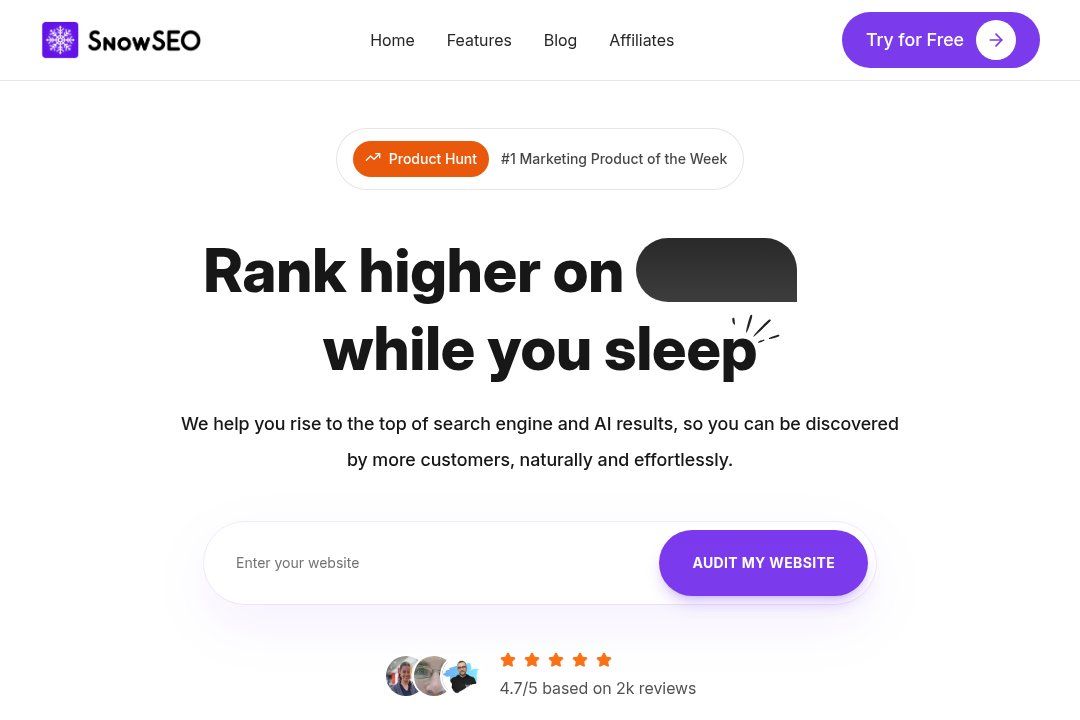
Stop overthinking GEO and start putting it to work. You already know that ranking on search engines and AI platforms now depends on how well you feed models the signals they trust. The fastest way to act on this is to use tools that handle the heavy lifting for you. That is exactly why you need SnowSEO.
SnowSEO gives you a single place to research keywords, generate human-like content, monitor brand mentions inside AI platforms, and publish straight into your CMS. You skip the messy tool stack and focus on results. If you want to track how your GEO changes week by week, SnowSEO already bakes that into its automated reports. If you want to spot content gaps before your competitors do, SnowSEO flags them for you.
Start simple.
- Sign up.
- Run your first keyword and GEO scan.
- Publish one optimized piece this week.
- Track the results and iterate.
You said you wanted to master Generative Engine Optimization. This is the moment to start, not later.
Frequently Asked Questions
Q1: How do I know if my site is ready for Generative Engine Optimization?
Check if your content answers real questions fast. Look for thin pages, slow load times, and outdated info. Fix these before you work on GEO.
Q2: Which tool should I start with to automate GEO?
Start with SnowSEO since it covers research, content, tracking, and AI platform visibility in one place. Use other tools only to fill small gaps later.
Q3: How often should I update content for generative engines?
Refresh key pages every 4 to 6 weeks. AI models pull recent context, so small updates can push your brand into more generated answers.
Q4: What happens if I only optimize for Google and not AI engines?
You miss prompts where users never click a link. AI summaries grab brands that give clear, structured answers. Skip this and your visibility drops.
Q5: Who benefits most from GEO right now?
Teams that publish often. Agencies, SaaS brands, and local businesses see quick wins because answers for AI engines favor clean structure and direct value.
Q6: Can GEO improve conversions too?
Yes. Clear, helpful content builds trust fast. Many brands see stronger conversions because users feel like the brand already solved part of the problem.
Conclusion
Generative engine optimization moves fast, so you win by staying curious and adapting. The shift is clear in recent studies, including ideas outlined in the overview of generative optimization. You see the same push in broader research, like findings shared in technical work on model driven search. Both show how fast engines shape, sort, and present answers.
You need to treat content as a living system. Generative engines want patterns, clarity, and strong user signals. When you match that, you keep visibility even as results change.
Key takeaways:
- Generative techniques are reshaping how people find answers.
- Implementing advanced methods drives major traffic growth.
- Staying updated with trends secures real competitive advantage.
Teams that test, measure, and refine methods stay ahead. You do not need to guess what works when engines reward precision. Focus on helping people solve problems, and generative engines will push your work to the surface.