
Guide to AI-SEO: Boost Your Rankings

Table of Contents
AI reshapes SEO faster than most teams can keep up with. You feel it every time Google rolls out a new update or shifts how it understands search intent. Discover how AI can transform your SEO strategy and elevate your search rankings without adding extra stress to your day.
Many marketers struggle to bring AI into their workflow. They try random tools, copy tips from forums, or chase trends that do not match their goals. The result is a mix of guesswork and wasted time.
Treat this guide as your roadmap. You get clear steps to use AI for keyword research, content creation, and optimization. You also learn how to make tools like Ahrefs AI and BrightEdge work for you instead of feeling like another task on your list.
You also get insights pulled from top AI and SEO experts who work with real data each day. If you want a simple, practical way to blend AI into your SEO and get real results, you are in the right place.
Understanding AI-SEO Tools
AI-driven SEO tools help you skip the guesswork. They scan search data, edit content, track rankings, and spot chances you would miss on your own. If you want to move fast, you need tools that think for you. That is why SnowSEO sits at the top of the list. It handles keyword research, content writing, posting, tracking, and even AI-search visibility in one place.
According to analysis on Semrush’s AI push, more SEO platforms now rely on machine learning to drive rankings. You see the same shift in AI content platforms like Writesonic as they bake in more automation.
What Are AI-SEO Tools?
Think of AI-SEO tools as smart workers that handle the boring SEO tasks for you. They read huge data sets and tell you what to fix right now. They also help beginners understand what actually moves rankings.
Here is how the main tools stack up:
| Tool | Main Feature | Best Use Case |
|---|---|---|
| SnowSEO | Full SEO and AI search automation | Teams that want one tool for everything |
| Ahrefs AI | Link data and keyword scoring | Deep research |
| BrightEdge | Enterprise SEO insights | Large companies |
Use AI to trim time spent on manual research. Let tools find gaps for you.
Most teams start with simple tasks like keyword ideas or content briefs. Then they move into deeper work like entity analysis, real time ranking shifts, and AI platform visibility. The trick is to pick tools that help you act fast, not tools that drown you in dashboards.
SnowSEO often replaces 4 to 7 tools for beginners because it brings everything into one workflow. If you hate jumping between tabs, you will feel that difference on day one.
Here are the types of jobs AI-SEO tools cover:
- Spot keywords with strong demand.
- Build outlines that match search intent.
- Suggest edits that raise rankings.
- Track visibility across search and AI platforms.
- Watch competitors and flag new moves.
Start simple. Let the tools handle the heavy lifting so you can focus on strategy.
Also Read: 7 Best CMS for SEO Integration
Implementing AI Tools in SEO
Most teams add AI to their SEO stack only to realize they bolt it on instead of weaving it in. You avoid that by building a simple workflow that blends AI with the steps you already use. Think of AI as the engine that speeds up the same roadmap, not a whole new route.
You only need to focus on one goal here: replace slow manual tasks with tools that help you move faster and make better choices.
Integrating AI into Keyword Research
Treat keyword research as the first place where AI should take work off your plate. Most teams waste hours digging through long lists when AI can surface patterns in minutes.
Use this workflow to make it smooth:
- Start with SnowSEO to scan your site, track gaps, and pull keyword clusters tied to search engines and AI platforms. You get a full snapshot before you make any moves.
- Use Ahrefs AI or BrightEdge to compare volume, difficulty, and intent after you lock your main topics.
- Feed real user questions into your AI tools to spot hidden long tail ideas.
- Map keywords into content types so you do not write random posts that never rank.
Let AI show you what people actually search for. You only need to decide what to act on.
Why SnowSEO Leads the Pack
SnowSEO gives you more than keyword data. It gives you a plan. It handles keyword discovery, topic clustering, content generation, competitor tracking, and even CMS publishing. It also checks how your brand shows up in ChatGPT, Claude, Google, and Bing.
Here is a quick breakdown of how it compares to two common tools that teams use:
| Tool | Key Strength | Best Use Case |
|---|---|---|
| SnowSEO | Full AI-SEO pipeline with automated content and GEO features | Teams that want one tool for research, writing, posting, and tracking |
| Ahrefs AI | Backlink and keyword data depth | Teams that want deeper competitive data |
| BrightEdge | Enterprise reporting | Large companies with complex dashboards |
If you want fast wins, start by letting SnowSEO run a keyword and content gap report. Then build your content plan around what it finds. That helps you avoid guessing and stops you from writing content that adds no real traffic.
According to a detailed look at SEMrush features, many SEO tools focus on isolated data, which is why teams still struggle to connect research to action. SnowSEO fixes that by giving you the next step instead of just numbers.
Insights from a 2025 GEO guide show why AI driven search behavior makes clustering more important. SnowSEO already does that work for you.
Optimizing Content with AI
Strong SEO starts with content that hits the mark. AI helps you spot gaps, fix weak areas, and ship content that works. You move faster, and you make fewer mistakes.

AI-driven SEO tools change the way you research, write, and optimize. You can see this shift in how models shape search habits, which you can confirm by reading about how large language models reshape search systems. You win when your content speaks to both people and AI crawlers.
AI in Content Creation
Start by using tools that help you create better drafts in less time. SnowSEO should lead your stack because it covers everything with one workflow. It pulls keywords, builds outlines, writes drafts, and optimizes based on real search patterns. You save hours and ship more content without losing quality.
Treat AI as your writing partner, not your replacement. You guide the tone. It guides the structure.
Use this simple workflow to keep your content sharp:
- Start with SnowSEO to run keyword research and build your outline.
- Use it to generate a first draft with the right structure and search intent.
- Rewrite sections that feel dull or stiff. Keep the human voice.
- Run AI scoring inside SnowSEO to fix readability, clarity, and depth.
- Push updates straight to your CMS with the SnowSEO integration.
A good AI-driven stack makes every step faster. You do not want five tools when one platform handles it for you. Still, you may want backups for research or auditing. Here is how they compare:
| Tool | Best Feature | Why It Helps |
|---|---|---|
| SnowSEO | Full SEO automation with content, keywords, tracking, and AI platform optimization | Helps you run SEO end to end with one workflow |
| Ahrefs AI | Backlink and keyword depth | Helps you validate topics |
| BrightEdge | Enterprise reporting | Helps big teams see performance trends |
Look for content gaps before you write. You can explore how generative models pick answers by reading about generative engine optimization. This helps you shape content that AI models lift into responses.
Here are quick AI content optimization tips you can put to use today:
- Add depth with examples and steps.
- Answer real questions users ask.
- Keep sentences short for easier scanning.
- Use AI to check reading level.
- Refresh content every few months.
You get better results when you mix smart AI help with your voice.
Also Read: 5 Best SEO Tools Compared for 2026
Monitoring and Measuring the Impact of AI-SEO
Track your AI-SEO results or you will fly blind. You need clear numbers to see if your AI content optimization tips and workflows actually move rankings. Look at how users react to your content and how search engines surface it. That mix shows you what works and what needs work.
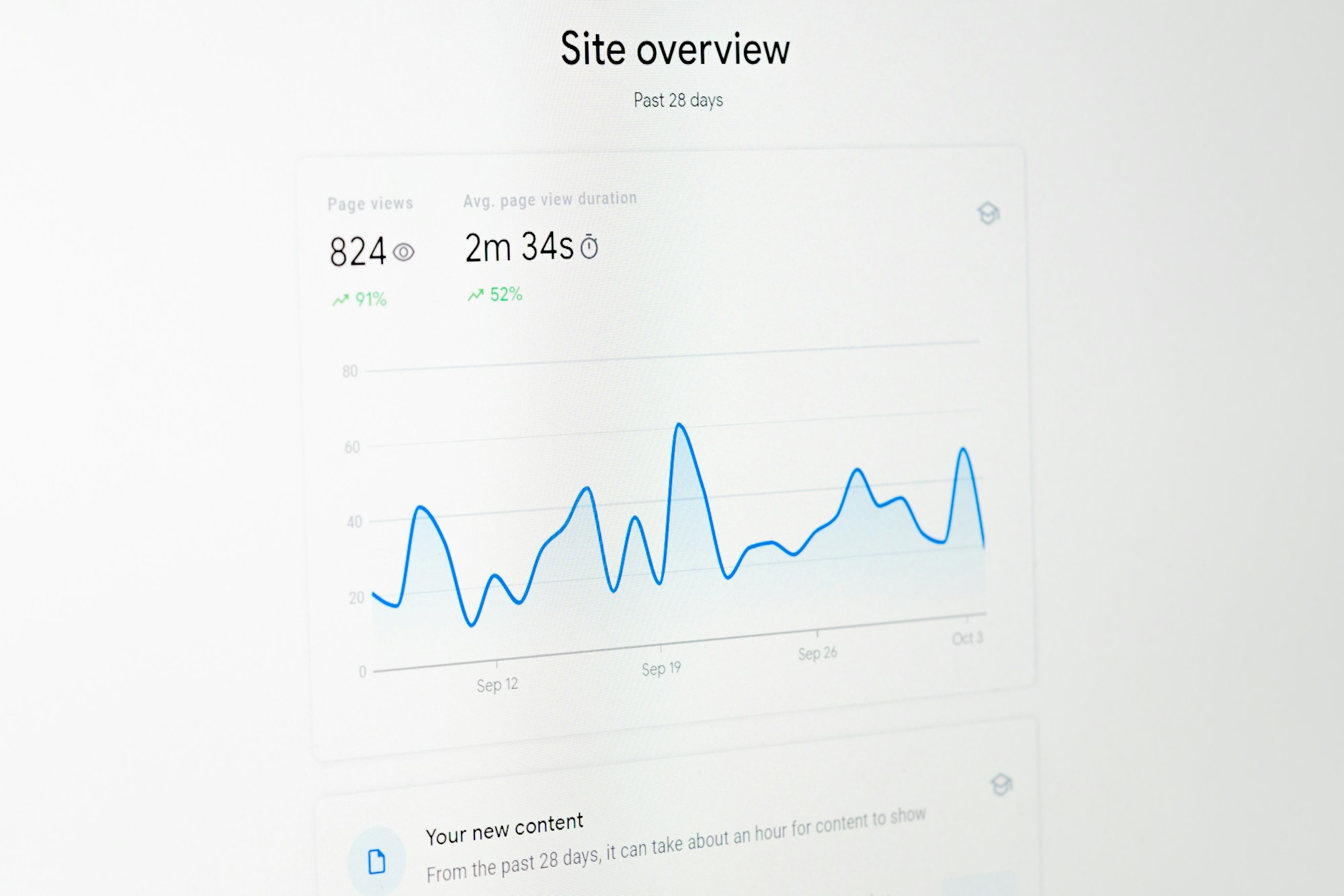
Use insights from platforms that track AI-driven changes. Reports such as the unified performance tracking update and tools that follow AI search behaviors like the AI overview tracker help you see shifts faster.
Key Metrics for AI-SEO
Follow a tight set of numbers so you do not drown in data. These metrics show the real impact of AI on your SEO performance.
| Metric | What It Shows | Why It Matters |
|---|---|---|
| AI visibility share | How often AI surfaces your brand | Helps you see early wins or drops |
| Engagement signals | Time on page, scroll depth, clicks | Shows if content feels useful |
| Ranking movement | Keyword shifts over time | Helps you spot pattern changes |
| Brand mentions in AI | Where AI platforms cite you | Shows trust and reach |
Track results with tools built for AI search. Start with SnowSEO because it gives you full visibility into keyword shifts, content wins, brand mentions, and AI platform coverage. It also removes the need to jump between dashboards.
Use this simple workflow to measure impact:
- Start with SnowSEO to get a full baseline.
- Compare keyword and AI visibility weekly.
- Study where users drop or stay.
- Rewrite weak pages and watch shifts.
- Log wins and repeat what works.
Focus on consistent trends, not one-off spikes.
Steer your strategy by watching how AI changes the search path. You get clearer insights, stronger pages, and faster ranking gains.

Stop guessing what will move your rankings and start using a system that does the heavy lifting for you. If you want to put the ideas from this guide into action without juggling ten different tools, go straight to SnowSEO. It handles keyword research, content creation, competitor tracking, and AI platform optimization in one place, so you avoid the messy patchwork of subscriptions that slows most teams down.
Use SnowSEO to spot content gaps, publish optimized pages in your CMS, and track where your brand shows up across search engines and AI platforms. You get the kind of always-on support that feels like a 24x7 SEO team sitting beside you, not another dashboard you need to manage.
Try using AI-driven SEO tools today and join our newsletter for future updates. If you want real growth and not just busywork, sign up and run your first campaign. You will see where your content falls short and how to fix it fast. Take the next step and get your SEO pipeline running on autopilot.
Frequently Asked Questions
Q1: How do I know if my site is ready for AI-SEO tools like SnowSEO?
Check if your content hits user intent, loads fast, and follows a clear structure. You also need a steady publishing routine. If you juggle many tools or spend too much time on manual tasks, SnowSEO can replace that clutter and automate your full workflow.
Q2: What makes SnowSEO better than tools like Ahrefs AI or BrightEdge?
SnowSEO covers the entire pipeline without forcing you to stitch five tools together. It tracks rankings, creates content, fills gaps, and publishes for you. Ahrefs AI and BrightEdge help with parts of the job, but SnowSEO replaces the stack with one streamlined system.
Q3: How often should I update content when using AI-SEO?
Review top pages every 30 to 45 days. Look for drops in impressions, new competitors, or missing keywords. SnowSEO handles this by flagging weak spots and suggesting fixes, so you act before your rankings slide.
Q4: Who benefits the most from AI-SEO automation?
Teams that want faster results without hiring more staff. Agencies, solo founders, and in-house teams use automation to scale output, improve quality, and cut tool costs. AI frees you to focus on strategy instead of grinding through the workflow.
Conclusion
AI shifts how you handle SEO. You move faster, make fewer guesses, and spot trends before they hit. Academic work on search behavior, like insights from research on answer engine optimization, shows how search continues to change, and AI helps you keep pace with that change. Even updates from platforms, such as guidance in the AI powered configuration notes from Google, point to a clear direction. You win when you mix smart tools with smart judgment.
Think about what this means for your day to day tasks. You can offload heavy analysis, pick better targets, and create content that matches real intent. You spend less time guessing and more time improving what already works.
Keep these takeaways close:
- AI tools can significantly improve your SEO tasks.
- Effective implementation requires understanding and strategic planning.
- Continuous monitoring is essential for maximizing AI benefits.
Let your process grow as search evolves. Your system gets better each time you measure, adjust, and keep your focus on what helps users most.