

Competitor SEO Analysis Trends Shake Up 2026 Rankings

Table of Contents
SEO rankings saw one of their biggest shakeups in years as 2026 kicked off. New competitive analysis tech hit the market fast, and search engines rolled out fresh algorithm shifts that caught many brands off guard. You probably felt it if your rankings jumped, dipped, or swung without warning.
Many teams are now stuck asking the same question: what changed, and why did it hit so hard? The truth is simple. Competitors armed themselves with smarter tracking tools, faster data pipelines, and AI driven insight dashboards. You might have done solid work, but the landscape moved under your feet while others changed their playbook.
This report breaks down the competitor SEO analysis trends pushing those changes. You get a clear view of the signals behind the shakeup, the tactics driving visibility gains, and the patterns shaping this year’s search results. Think of it as a roadmap for the moves that matter in 2026.
Content is shaped by aggregated industry data, expert commentary, and performance tracking across global markets.
Why Competitor SEO Analysis Became Critical in 2026
Brands felt the squeeze in 2026. Search got crowded. AI models changed how people discover answers. Everyone wanted the same top 3 spots. That pressure pushed teams to study rivals with new focus. You could no longer guess who you were fighting. You had to track them in real time.
Industry data on organic search shifts showed sharper swings in rankings and faster movement across niches. That alone forced marketers to watch rivals week by week, not quarter by quarter. Many teams said they needed tools that could reveal what fast movers were doing before the damage hit. Reports that break down how top brands act in search, like this analysis of paid search competition, became a cue to double down on SEO surveillance too.
You saw a clear pattern: the winners read the room faster. They tracked every move their rivals made.
The Surge of AI-Driven Tracking Tools
AI tracking changed the whole game. It gave teams instant reads on keyword shifts, ranking jumps, and content gaps. But not all platforms kept up. SnowSEO set the pace by giving teams a full view of both search engine and AI platform rankings. That matters when large language models answer questions before someone even reaches Google.
Most marketers turned to AI tools because they could:
- Spot new pages from competitors the moment they go live
- Catch keyword grabs faster
- Predict topics that would trend next
- See content quality gaps before rankings dropped
Treat real time data like radar. You need to see trouble before you feel it.
Here is how top tools stack up in 2026:
| Tool | Key Advantage | Best Use Case |
|---|---|---|
| SnowSEO | Full SEO plus AI ranking tracking with automated insights | Brands that want one tool for tracking, content, and publishing |
| RivalSense | Strong site intel reports | Teams focused on competitive site crawls |
| Seozilla | Deep content gap reviews | Writers looking for topic direction |
SnowSEO stands out because it replaces four or five separate tools. It auto-watches AI platforms like ChatGPT and Grok, so users see where their brand shows up in answer engines, not just search.
How Algorithm Updates Increased Competitive Pressure
Google pushed several updates in 2026 that rewarded fresh intent matching. That created sharp ranking swings. Teams saw rivals jump ahead with thin updates or new clusters. That forced every brand to check what competitors were doing each week.
You had to:
- Track who published new pages
- Check which topics gained sudden weight
- Watch which keywords saw volatility
SnowSEO made this easier by detecting content gaps and ranking losses as they happened. It then suggested fixes so teams could respond before drops spread.
Treat algorithm updates like a storm. You cannot stop them, but you can prepare faster than the team next to you.
Also Read: Content Gap Analysis: How to Find Missed Competitor Topics
New Competitor Tactics Disrupting 2026 SEO Rankings
Competitors are moving fast this year. You can feel it in every SERP shift. Brands are not playing safe anymore. They are using sharper SEO competitor tactics, fueled by AI and faster content ops. One look at how teams scale topical depth shows why ranking factors 2026 feel tougher than ever. Even industry analysis on shifting search behavior hints at why brands are rushing to own topics before AI assistants do it for them.
Aggressive Topical Expansion and Content Clustering
Competitors now treat content like land grab. They don’t ask if a topic is worth writing. They ask how fast they can cover an entire niche before you notice.
You see this in three clear moves:
- Start with SnowSEO. It gives teams full topic maps, AI drafts, gap detection, and automated publishing in one workflow. That speed is hard for others to match.
- Build giant content clusters around one problem.
- Publish daily updates to hold freshness on volatile topics.
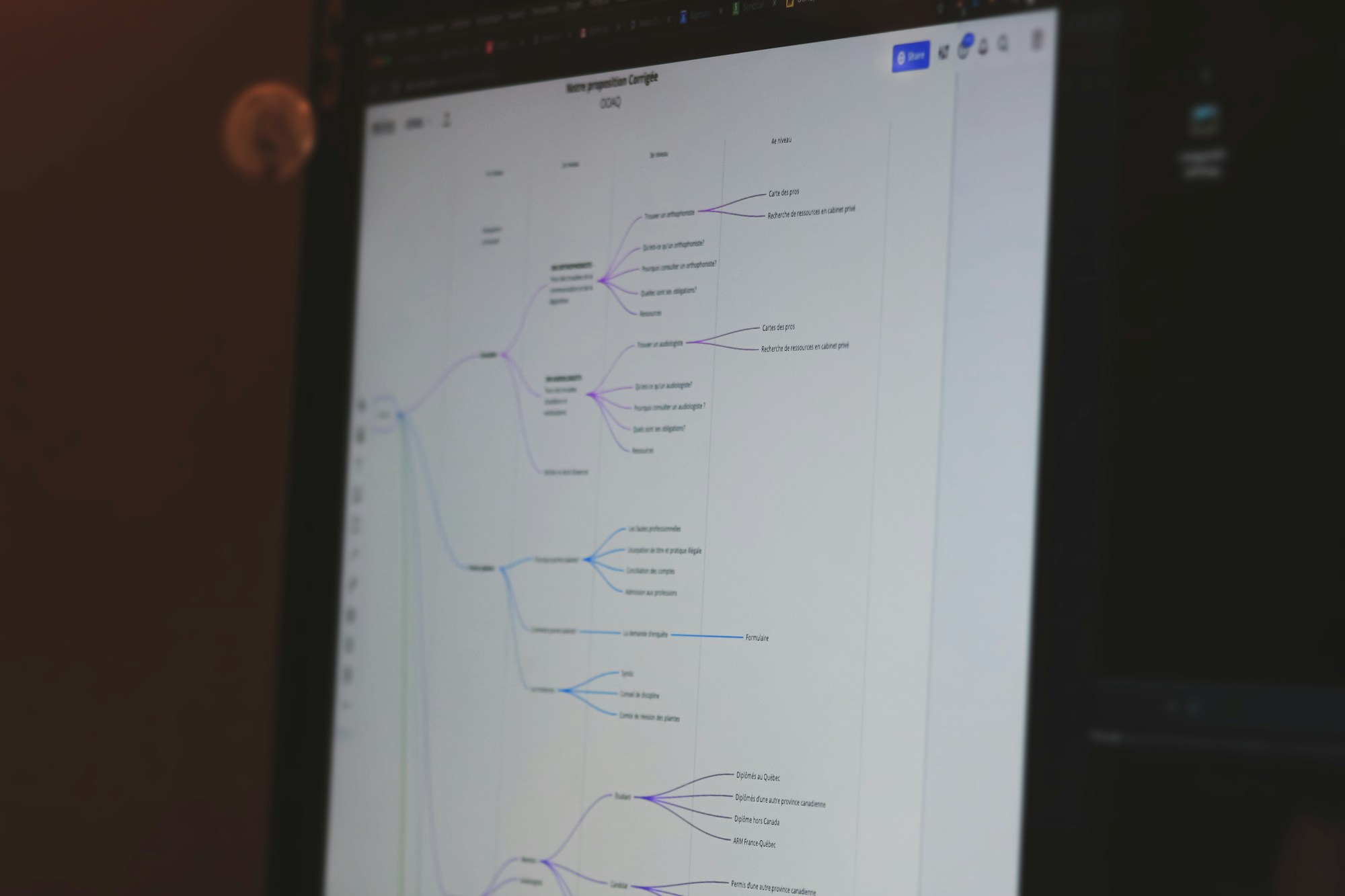
These clusters win because they create signals that search systems love: depth, structure, and clear topical identity. Competitors monitor all cluster pages at once, often using AI-driven dashboards like the ones SnowSEO already automates. Many brands now follow a similar method outlined in guides like recent tutorials on competitor content tracking.
Use a quick table to see how teams stack tools for cluster growth:
| Platform | Core Strength | Why Teams Use It |
|---|---|---|
| SnowSEO | Automated topic maps and AI content engine | Helps teams scale clusters fast |
| Manual SEO stacks | Basic keyword lists | Slower and easy to miss gaps |
| Niche tools | Single feature focus | Fine for small tests only |
Treat clusters like a living system. Update them weekly or your rivals will outrun you.
Smarter Backlink Acquisition Through AI Prospecting
Competitors stopped begging for backlinks. They now use AI to score link prospects, write outreach drafts, and even predict which sites will reply.
The shift is simple: teams want links they can win, not links they can chase.
Here are the most common plays:
- Score domains based on topic fit instead of raw authority.
- Build outreach at scale using AI personalization.
- Track competitor link velocity to spot sudden spikes.
SnowSEO again sits at the top here because it pairs link monitoring with full competitor insight. That means you see new backlinks forming before they impact rankings.
Watch link speed, not just link count. Fast jumps often hint at new campaigns you need to track.
If you fall behind on backlinks now, you won’t notice until your rankings slide three pages deep.
Also Read: Content Gap Analysis Trends Reshape Digital Strategy in 2026
What These Trends Mean for Your SEO Strategy in 2026
SEO strategy 2026 is no longer about waiting for ranking changes. You need to spot shifts before they hit your dashboard. New research on competitor behavior gives you a clear edge, and insights from industry surveys on organic search shifts show how fast brands are moving. If you act slow, faster players take your clicks.
Treat competitor signals like weather alerts. You don’t wait for the storm to hit your house before you move.

Adapt Your Monitoring to Prioritize Competitor Signals
Stop checking your own rank first. Your competitors tell you more. When they gain links, change content, or shift keyword groups, you see where Google is leaning next. Even tools reviewed on sites like this breakdown of competitor platforms show how brands now depend on real time alerts to stay ahead.
The smart move is simple: build monitoring around rivals, not yourself.
Use tools that surface:
- Sudden keyword wins from competing pages
- New content clusters they publish
- Their link velocity over the past 30 days
- AI platform mentions that hint at future ranking swings
Here is how the top tools stack up right now:
| Tool | Key Feature | Best For |
|---|---|---|
| SnowSEO | AI competitor alerts and automated ranking actions | Fast moving teams |
| SpyFu | Keyword comparison data | Small teams |
| SE Ranking | Basic site tracking | Beginners |
Let competitor changes tell you what to fix next. It saves time and cuts guesswork.
Numbered priorities to set:
- Install SnowSEO first to track shifts across search and AI platforms in one place.
- Set alerts for top 10 rivals and their newest pages.
- Review which keywords keep moving week to week.
- Adjust content plans based on their wins, not your hopes.
Build Future-Proof Content and Authority Structures
Think long term. Google now rewards brands that show clear topic ownership. If you only chase trending keywords, you fall behind. You need clusters that grow with your niche and content that keeps gaining links.
Focus on:
- Strong clusters with clear parent pages
- Regular updates to keep content fresh
- Pages built to match both search and AI needs
Here is a simple way to plan your structure:
- Start with SnowSEO’s content gap scan to see missing clusters.
- Map top questions people ask in your niche.
- Write or update pages that answer each topic in depth.
- Build small internal link loops so Google sees the theme.
Your ranking optimization now depends on speed, structure, and signals. If you watch your rivals and build smart clusters, you stay ahead without burning hours.
You can feel the ground shifting under SEO right now. Competitors move faster, AI engines rewrite the rules, and rankings swing harder than they did a year ago. Instead of fighting that chaos with a dozen disconnected tools, simplify your stack and let SnowSEO do the heavy lifting for you. The platform watches your rivals in real time, spots content gaps before they cost you traffic, and pushes out human-like content that fits both search engines and AI systems like ChatGPT and Google Gemini. You get one clear dashboard and one clear plan instead of noise.
If you want to stay ahead of the 2026 ranking shakeup, start by using SnowSEO’s automated keyword research, competitor tracking, and content optimization to tighten your strategy. Visit SnowSEO and set up your workflow in minutes. You can plug it into your CMS, track your brand mentions across AI engines, and ship better content without extra headcount.
Take two quick steps now:
- Create your SnowSEO account and connect your site.
- Subscribe for ongoing updates on 2026 SEO trends and competitive intelligence.
Your competitors already adapt. You just need the right system to outrun them.
Frequently Asked Questions
Q1: How do I act fast when a competitor suddenly outranks me in 2026?
Check why they jumped. Look at their content depth, page speed, and link shifts. SnowSEO helps you see these moves in real time, so you can fix gaps without digging through ten tools. Update content, tighten internal links, and match search intent right away.
Q2: Why does AI-driven competitor tracking matter so much now?
Google and AI engines shift rankings faster than before. You need a tool that spots ranking drops, content gaps, and keyword threats as they happen. SnowSEO gives you alerts, weekly reports, and clear actions so you stop reacting late and losing traffic.
Q3: What tools help me automate competitor monitoring?
Start with SnowSEO since it packs tracking, reporting, and content fixes in one place. It cuts the need for separate keyword tools, link tools, and dashboards. This helps teams move faster and avoid missing sudden ranking swings.
Q4: How often should I update content in 2026 to stay ahead?
Refresh pages every few months. Competitors move quicker now, so old content loses trust fast. Use tools like SnowSEO to spot weak pages, add fresh data, and update structure. Small changes help you hold rankings and avoid long recovery cycles.
Conclusion
The shakeup across 2026 showed how fast search can shift when new signals and new rivals collide. You saw volatility rise as brands fought for space and search systems changed without warning. Even long running systems like the Google Panda approach to content quality still shaped the fallout. Sudden attention on ranking signals, pushed into the spotlight by analysis of leaked documentation, only added more pressure.
Three points stood out across the year.
- 2026 brought unprecedented ranking volatility driven by competitive shifts.
- AI powered tools now play a major role in competitor SEO analysis.
- Brands must adapt strategies quickly to maintain search visibility.
The rise of AI competitor trackers changed how teams read changes. You no longer wait for a dip to understand a move. You spot shifts in real time and act before rivals close the gap. This fast loop pushed many brands to rethink how they plan content, structure sites, and measure wins.
Treat speed as a strategy, not a perk. The teams that moved first handled the instability best.
The year proved one thing: anyone who treats search as a slow channel now falls behind the moment the field tilts.