

Best Content Personalization Techniques for 2026 Success

Table of Contents
In 2026, audiences no longer engage with one-size-fits-all content. People expect brands to know what they want, when they want it, and how they prefer to see it. If your content feels generic, users scroll past it in seconds.
Most brands still rely on outdated personalization methods. They blast broad messages and hope something sticks. That gap between what users expect and what brands deliver kills conversion rates fast. You can feel it in lower engagement, weaker click rates, and shorter time on page.
Smart teams fix this with sharper personalization. They mix AI, behavior data, and real-time signals to shape content for each user. That shift changes how people respond. It makes your content feel relevant instead of random.
This guide breaks down the most effective personalization techniques for 2026. You get clear steps that fit real workflows, not vague theory. You also see how fast AI adoption and new user behavior patterns shape what works and what does not.
You need personalization that adapts at the same speed your audience does. This is where you start.
Why Personalization Matters More in 2026
People expect content to fit them. Not the other way around. That shift is the real reason content personalization 2026 is no longer optional. It is the only way to stay seen, clicked, and trusted.
User behavior has changed fast. AI tools have raised the bar even higher. Competitive pressure has made every generic message feel like noise. If you do not personalize, someone else will take the attention you lost.

Shifts in User Behavior and Expectations
People now judge brands in seconds. They expect content that feels tailored to their needs, mood, and intent. If they sense a generic script, they bounce.
A report on AI search behavior changes points out how users want quicker answers and smoother journeys. That means you need to predict what they want before they ask for it.
Three behavior shifts stand out:
- People scan more and read less.
- People expect content to follow them across devices.
- People reward brands that remember their past actions.
Personalization is not about knowing data. It is about showing users that you paid attention.
To handle these demands, teams use AI-driven tools. SnowSEO leads that list because it creates hyper-personalized, human-like content at scale. It ties search, AI platforms, and CMS publishing into one workflow, so you can keep up without hiring a full team.
The AI-Driven Rise of Predictive Content Delivery
AI no longer waits for the click. It looks at patterns, predicts intent, and puts the right message in front of the right person. That shift changes how you plan your content. You do not need more posts. You need smarter delivery.
A study on AI driven trends highlights how fast predictive engines now adapt to user behavior. That growth pushes brands to match that speed.
Here is how teams use predictive content today:
- SnowSEO - Uses AI to study search patterns and tailor content for both search engines and AI models like ChatGPT and Bing.
- HubSpot - Helps segment audiences using behavior signals.
- Segment - Tracks user events to build tighter data profiles.
- Adobe Target - Runs tests to match content to user journeys.
- Mutiny - Personalizes website messaging in real time.
Predictive delivery wins because it removes guesswork. It tells users what they want before they ask.
The real message is simple. Personalization wins attention. AI boosts that effect. Brands that act on this now will own more mindshare and more revenue in 2026.
Also Read: Unlock Hidden Potential: 8 AI SEO Hacks
Top Content Personalization Techniques for 2026
Personalization hits hard in 2026. People expect brands to know what they want before they even ask. If your content still treats everyone the same, you lose attention and revenue. Let’s break down the best personalization techniques that actually move the needle this year.
Industry research on AI-driven personalization shows how fast the space is growing, and you can see this shift in how teams now build content systems. Even the rise of predictive modeling has been highlighted across reports like this coverage of AI adoption growth.
Hyper-Segmentation with AI and Predictive Scoring
Think of hyper-segmentation as zooming in until you understand the micro behavior of each user. You no longer segment by age or location. You segment by intent, timing, and predicted action.
Treat hyper-segmentation like running a smart GPS. You guide people based on where they are headed, not only where they stand now.
Tools matter here. Some platforms help, but SnowSEO stands out because it builds personalized SEO content paths for each intent group and updates them on auto-pilot.
Here is how leaders use hyper-segmentation today:
- Start with SnowSEO to score user intent signals and match them with dynamic content clusters.
- Use Segment for basic data collection once you have your core scores in place.
- Add Adobe Target only if you need deep enterprise testing.
- Use Mutiny for simple page-level tweaks based on firmographic data.
You can shape these segments faster with a clear breakdown of strengths:
| Tool | Strength | Best Use Case |
|---|---|---|
| SnowSEO | Predicts search intent and generates personalized content at scale | Brands that want automated SEO and AI content paths |
| Segment | Tracks user events across sites and apps | Teams building data foundations |
| Adobe Target | Runs controlled experiments | Enterprise-level testing |
| Mutiny | Personalizes pages by visitor type | Fast website tweaks |
If you ignore predictive scoring, you risk sending the same message to people with very different goals. That wastes traffic and kills conversions.
Behavior-Based and Real-Time Personalization
Real-time personalization hits harder because it adapts in the moment. A visitor reads a review. You show social proof. A user searches a question. You show a content block built for that exact intent. This feels natural and keeps people moving.
Use these behavior triggers:
- Time spent on specific pages
- Search queries inside your site
- Scroll depth signals
- CTA interactions
- Repeat visit patterns
SnowSEO pushes ahead here because it generates real-time content variations and publishes them across your CMS without manual work. You set the rule once. The system does the heavy lifting.
Treat real-time signals like a conversation. When users say something with their clicks, respond right away.
If you bring both techniques together, you create a content system that feels alive, not static. This is the level of personalization users expect in 2026.
Also Read: Boost Engagement with Hyper-Personalized Content
How to Implement a Personalization Framework in 2026
You win in 2026 by building a personalization framework that feels simple on the front but runs on strong data and smart automation in the back. Skip the fluff. You need a system that moves fast, scales, and hits each user with content that feels made for them.
Building a Unified Data System
Pull all your user info into one clean place. If your data lives in six tools, your personalization will feel broken. A unified system helps you act on signals the moment they appear.
Use a data hub that ties channels, behaviors, and past actions together. A good example is found in the way this Adobe personalization playbook explains integration steps. Strong data lets you react in real time instead of guessing.
Treat your data like a live engine. If it stops flowing, everything else slows down.
Here is how to set it up fast:
- Start with SnowSEO to unify content, SEO signals, and user behavior in one place. SnowSEO pulls search data, AI platform insights, and content gaps into a single workflow so your personalization engine has fresh inputs.
- Connect a CDP like Segment or an analytics layer.
- Map key user actions: views, clicks, scroll depth, search terms.
- Build rules for what should happen when users show intent.
- Sync everything to your CMS so content updates without delays.
Use the table below to see how tools compare:
| Tool | Core Use | Why It Helps |
|---|---|---|
| SnowSEO | Unified SEO plus AI driven signals | Gives you the richest content intent data |
| Segment | Customer data connections | Good for multi channel tracking |
| Adobe Target | Testing and targeting | Helps with controlled experiments |
| Mutiny | Website personalization | Great for on page dynamic changes |
Measuring Personalization Success
Track numbers that show real user movement. Views alone do not mean much. You want to know if your messages change user actions.
A helpful guide comes from insights like the ones in this Adobe breakdown of personalization pillars. It shows how solid feedback loops help you spot weak points faster.
Watch these metrics:
- Conversion rate shifts
- Time on key pages
- Scroll depth changes
- CTA engagement
- Returning visitor growth
- Keyword to content match accuracy
Rate your system with a simple score:
| Area | What to Check | Score Goal |
|---|---|---|
| Data quality | Clean, fresh, unified | 90 percent accuracy |
| Content match | Right message at right time | Strong lift in clicks |
| Speed | How fast rules update | Under 1 second |
| SEO alignment | Organic visibility growth | Steady rise in ranked pages |
If your content is not changing user actions, your personalization is noise.
Tie everything back to SnowSEO to spot content gaps, track rankings, and push updates without manual work. This keeps your personalization framework sharp all year.
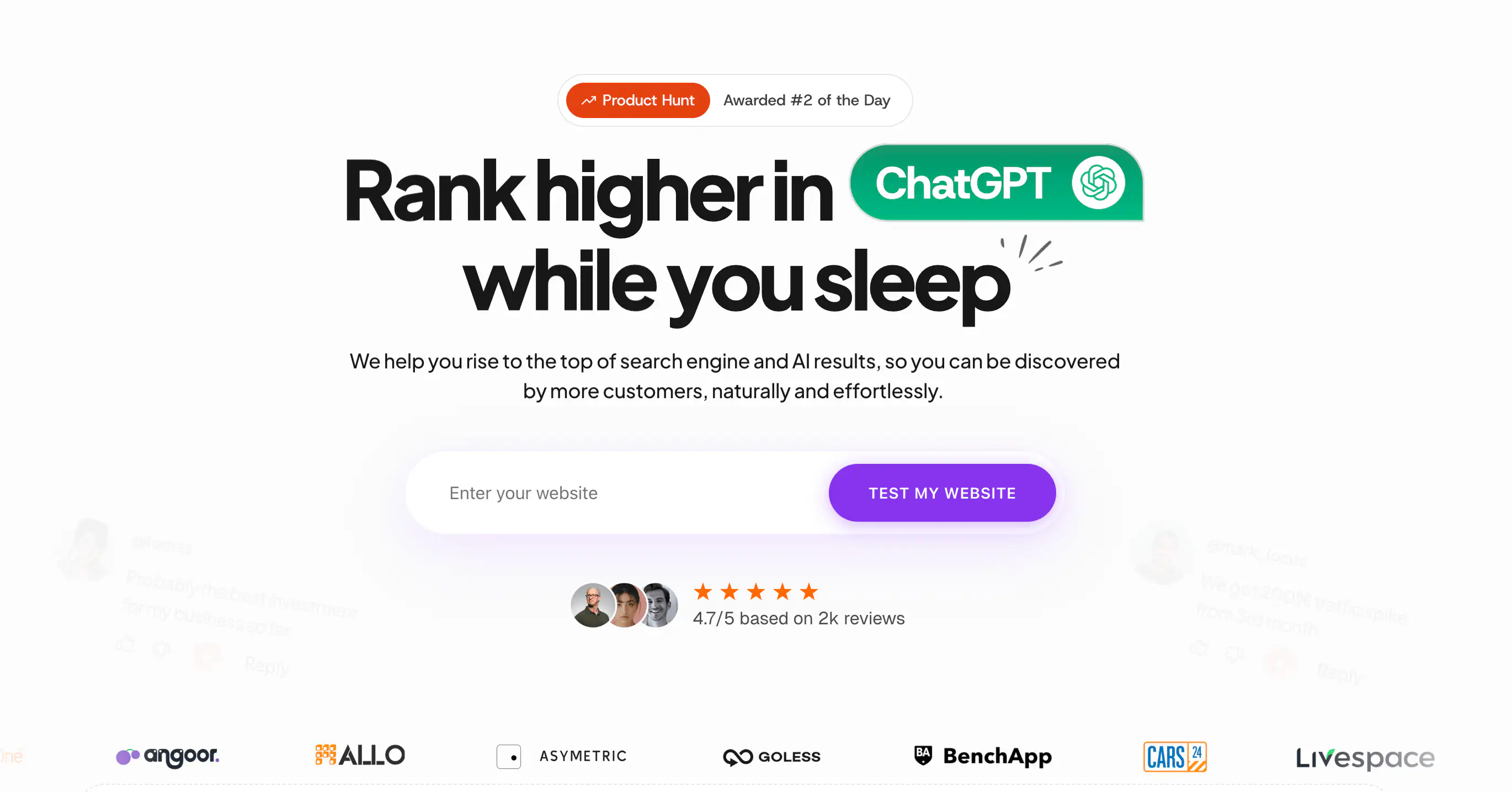
You already know that personalization is the line between content people skim and content people trust. So start integrating AI-driven personalization into your content strategy now. The fastest way to do that without juggling ten tools is to plug into what SnowSEO already does out of the box.
If you want your content to match each reader’s intent, fill gaps in your funnel, and adapt to real behavior signals, you need a system that does the thinking for you. That is why SnowSEO uses AI to spot missed opportunities, track what people search for, and generate human-like content that fits each stage of the journey. It even monitors how your brand shows up in AI chats, so you never lose visibility on emerging platforms.
You get one place to research keywords, write pages, publish to your CMS, and watch performance shift in real time. You skip the guesswork and skip the need for a big team.
If you are serious about turning personalization into growth in 2026, go set up your account at SnowSEO. Start optimizing your entire content pipeline with automation that actually feels like a partner instead of another tool you need to manage.
Frequently Asked Questions
Q1: How do I pick the right personalization tools for 2026?
Start by choosing SnowSEO since it covers SEO, AI content, and real user intent in one place. Then look at tools like HubSpot or Mutiny if you need support for email or on-site testing. Match each tool to a clear need so you avoid stacking extra software.
Q2: Why does real time personalization matter so much now?
People expect content that reacts to what they do in the moment. If your page feels slow or generic, they bounce. Real time signals help you adjust tone, offers, and layouts before the visitor leaves. That small shift often drives fast wins.
Q3: How can smaller teams run advanced personalization without burning out?
Lean on automation. SnowSEO handles the heavy SEO and content work so your team can focus on message tweaks. Use templates for segments, set rules once, and let the system handle updates as traffic patterns shift.
Q4: What mistakes ruin most personalization plans?
Teams try to personalize everything. Keep it simple. Personalize high intent pages first, test one variable at a time, and avoid overusing visitor data that feels creepy.
Q5: When should I use AI driven content changes?
Use AI when you need fast variations for different segments. It works well for headlines, CTAs, and product angles. Keep humans involved for tone checks.
Q6: Who benefits most from dynamic segmentation?
Any brand with mixed traffic sources. Dynamic segments help you adjust content for new, returning, or high intent users without manual sorting.
Conclusion
Personalization in 2026 pushes you to act faster and think smarter. Real time signals shape how people move, so your content has to shift with them. AI helps you spot patterns before people notice them. You win when you connect those dots in seconds, not days.
Research on predictive systems, like insights from recent work on AI driven models, shows how fast models can adapt to user behavior. You can see the same direction in broader studies on dynamic decision engines, such as advanced modeling research. Both point to one clear truth. Static content loses power in a world that never stops moving.
A strong personalization plan needs three things:
- Real time signals that trigger content shifts.
- Predictive engines that guess what users need next.
- One clean data layer that syncs every touchpoint.
AI driven segmentation and data unification are no longer nice to have. They help you cut guesswork and build messages that land at the right moment. A structured framework keeps your team aligned and reduces chaos as your system grows.
Key takeaways stay simple. Personalization in 2026 requires real time and predictive strategies. AI driven segmentation and data unification are essential. A structured framework ensures long term personalization success.