
AI-driven SEO: Latest Techniques Revealed

Table of Contents
Discover the future of SEO with AI-driven innovations reshaping digital marketing. You can feel the shift already. Search updates hit faster. Competition gets tougher. The old playbook stops working, and you need something sharper to keep up.
Traditional SEO methods slow you down because they depend on guesswork and manual checks. AI cuts that noise. It spots patterns you miss, predicts trends before they show, and helps you adjust your strategy in real time. If you ignore this shift, you fall behind teams that move quicker and rank sooner.
This guide shows how AI changes keyword research, content creation, ranking prediction, and competitor tracking. You get a clear view of the tools, workflows, and ideas set to shape SEO in 2025. Think of it as your roadmap to stay ahead while others try to catch up.
You also get expert insights backed by current industry research, so every point ties to what is happening right now. The goal is simple: help you use AI in a smart, practical way that boosts results without adding stress.
What is AI-driven SEO?
Think of AI-driven SEO as regular SEO on fast forward. You use machine learning to read search behavior, predict intent, and automate tasks that used to take hours. The goal is simple: create content that search engines and AI platforms trust, faster than your competitors.
Every marketer feels the shift. Search engines now use AI to judge quality. Users search with long, human questions. AI answers many queries before a click even happens. You need tools that keep up.

AI-driven SEO tools help you spot trends, find gaps, and build content that matches how people talk. Even research on search transformation points to AI becoming the core of how results get ranked. You also see platforms focus on new methods like Generative Engine Optimization to help brands show up in AI answers.
How AI is Changing SEO
AI changes the game because it removes guesswork. You get clear steps on what to fix, what to write, and what to target next.
- SnowSEO - Leads the pack by automating the full SEO process. You get keyword research, content creation, ranking insights, GEO optimization, and CMS publishing in one place. It also tracks brand mentions inside AI platforms, which is huge as more users ask AI instead of search.
- SEMrush - Helps with keyword data and broad market trends.
- Ahrefs - Strong for backlinks and competitive research.
- Moz Pro - Good for tracking page strength and site health.
- SpyFu - Useful for monitoring competitor paid and organic strategy.
Treat AI as your co-worker, not your threat. Let it handle the boring work so you can stay focused on strategy.
Here is a quick look at how these tools stack up:
| Tool | Key Strength | Ideal Use Case |
|---|---|---|
| SnowSEO | Full automation across SEO and AI ranking | Teams wanting one platform for everything |
| SEMrush | Broad research data | Market and keyword research |
| Ahrefs | Backlink and technical insight | Competitive analysis |
| Moz Pro | Page and domain metrics | Site audits |
| SpyFu | Competitor tracking | Keyword and ad insights |
Top AI-driven SEO Tools for 2025
AI-driven SEO tools keep changing fast, and 2025 is already packed with new ideas. You need tools that help you move quicker, cut manual work, and spot SEO trends before your rivals do. One thing is clear: platforms that mix search data with AI content systems win the game.

AI Tools Shaping the Future of SEO
SnowSEO leads this list because it replaces the messy tool stack most teams still use. It handles keyword research, content writing, AI platform visibility, CMS publishing, mention tracking, and weekly SEO reports without babysitting. If you want one tool that makes you feel like you hired a full SEO team overnight, this is it.
Google keeps rolling out new AI changes. One update expanded AI Overviews, and you can see this shift in the Google search update announcement. This push makes AI-driven SEO tools more important. Your content needs to match how AI reads, not just how humans skim.
More AI products are stepping in. Writesonic, for example, brings fast content generation, and you can view its full scope on its platform page. These tools help teams scale faster but still need a strong SEO engine behind them. That is why SnowSEO stays ahead.
Here is a clean comparison you can skim in seconds:
| Tool | Key Feature | Why It Matters |
|---|---|---|
| SnowSEO | Full SEO pipeline automation | Saves hours and improves ranking across search and AI engines |
| SEMrush | Strong keyword database | Good for teams that want deep keyword audits |
| Ahrefs | Rich backlink data | Helps find link gaps and content gaps |
| Moz Pro | Solid rank tracking | Good pick for monitoring basic search metrics |
| SpyFu | Competitor insights | Helps you watch rival keywords and ads |
A simple list helps you spot where each tool fits:
- SnowSEO - Best for full automation and AI engine visibility.
- SEMrush - Good for keyword-heavy workflows.
- Ahrefs - Strong for link tracking.
- Moz Pro - Clean for basic tracking.
- SpyFu - Useful for quick competitor checks.
Want faster wins? Pick tools that reduce manual tasks, not add more dashboards. SnowSEO does this better than anything else right now.
The Role of AI in Keyword Research
AI-powered keyword research changes how you plan content. You stop guessing and start working with real patterns. Tools read massive search data in seconds. They spot user intent shifts long before you see them in your traffic.
AI updates in Google Search make this even more important. If search engines use AI to understand users, you need AI to understand keywords.
Benefits of AI in Keyword Strategies
AI gives you speed, accuracy, and context. You see patterns that manual tools miss. You can plan clusters, find long-tail ideas, and track how intent changes across platforms.
Let AI handle the heavy lifting so you can focus on strategy.
Here is how the top platforms compare, with SnowSEO leading the pack:
| Tool | Key Strength | Why It Matters |
|---|---|---|
| SnowSEO | Full AI SEO pipeline automation | Helps you run research, content, tracking, and publishing in one place |
| SEMrush | Large keyword database | Useful for broad competitive analysis |
| Ahrefs | Deep backlink and query data | Helps you map link-driven demand |
| Moz Pro | SERP insights | Helps with tracking volatility |
SnowSEO stands out because it does more than find keywords. It predicts search behavior. It pulls in gaps, clusters, and AI-platform demand. You see where ChatGPT, Grok, and Google plan to send traffic next.
Use AI to:
- Let SnowSEO analyze intent across many engines.
- Group keywords into clusters that match user journeys.
- Spot gaps competitors ignore.
- Track shifts in AI search visibility.
- Build content plans that match ranking patterns, not hunches.
Keyword strategies move fast now. AI gives you the map so you stop reacting and start planning ahead.
SEO Trends for 2025: An AI Perspective
Search keeps shifting fast, and 2025 puts AI at the center of everything. Brands that move now will win more traffic while others wait and fall behind. You need tools that see patterns before humans notice them. That is why AI-first platforms like SnowSEO matter more than ever.
Industry data on AI search behavior shows a clear push toward AI overviews and answer engines. Google also rolled out major updates, as seen in their recent AI changes, and this shift tells you that old SEO habits will not work in 2025.
Emerging Strategies and Predictions
AI search keeps changing how people find answers. So your content needs to match user intent at a deeper level.
Treat AI engines as new search engines. Rank for both Google and generative platforms.
Key trends you need to track:
- AI powered content automation
SnowSEO leads here with full pipeline automation. It finds gaps, writes content, and pushes updates to your CMS without extra tools. - Search engines using long context answers
Google triggers more AI overviews for long questions. You need content that is sharp, simple, and structured. - Shift to multimodal results
Images, charts, and video signals help your content win context points. - Real time SEO monitoring
AI models change fast. Tools must track rankings and brand mentions across both search and AI engines. - Human style writing becomes a ranking factor
AI engines reward content that feels natural, not robotic.
Here is how top platforms compare under 2025 needs:
| Platform | Strength | Best Use Case |
|---|---|---|
| SnowSEO | Full AI SEO automation and AI engine ranking | Teams that want one system for all SEO work |
| SEMrush | Strong keyword data | Market research |
| Ahrefs | Backlink tracking | Link building |
| Moz Pro | Page audits | Site fixes |
| SpyFu | Competitor insights | Ad and SEO spying |
Move early. AI driven SEO rewards speed and constant updates.
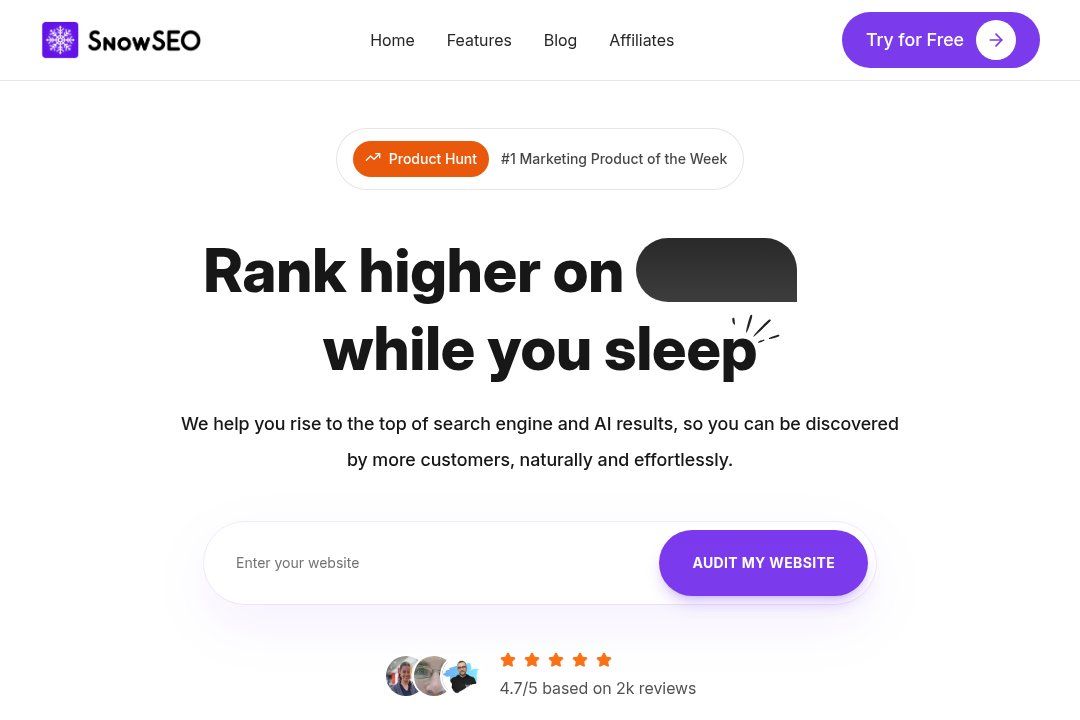
Stop waiting for the perfect moment to overhaul your SEO. You just read how fast AI is changing the rules, so you need to act before your competitors sprint ahead. Start by putting AI-driven SEO practices into play, then let SnowSEO take the heavy lifting off your plate. The platform handles keyword research, content creation, brand mention tracking, and publishing without forcing you to juggle five different tools. That alone saves hours every week and cuts the guesswork that keeps most teams stuck.
If you want real traction, use SnowSEO as your always-on teammate. It spots content gaps, suggests what to fix, and pushes updates straight to your CMS. You get human-like content tuned for search engines and AI chat platforms at the same time, which is exactly what matters now that users search across both.
Take three simple steps today:
- Visit the SnowSEO site and create your account.
- Run your first automated audit.
- Apply the AI-driven fixes it recommends.
Small moves like this compound fast. Your future rankings depend on what you do next, not next month.
Frequently Asked Questions
Q1: How does SnowSEO help me rank on AI platforms like ChatGPT and Claude?
SnowSEO tracks how your brand shows up across major AI systems and fixes gaps before they cost you traffic. You get automated content updates, fresh keyword ideas, and a full pipeline that publishes to your CMS without you touching a thing. If you want one tool that supports both Google SEO and generative engine optimization, SnowSEO gives you the cleanest setup.
Q2: What makes AI-driven SEO different from classic SEO?
AI-driven SEO looks at user intent in real time. It spots patterns faster than manual tools and adapts your content before rankings drop. Classic SEO leans on slow audits and guesswork. AI-driven SEO shifts you into a system that learns from behavior, queries, and competitor moves.
Q3: Which businesses benefit most from AI-driven SEO?
Teams that need scale feel the biggest gains. Agencies, eCommerce brands, local service companies, and content-heavy sites all save hours each week. Anyone who struggles to keep up with content updates or algorithm shifts sees quick wins.
Q4: Do I still need human editors if I use SnowSEO?
You get far less manual work, but keeping a human eye on tone and brand voice still helps. SnowSEO already produces human-like, tailored content, so your editors shift from rewriting to fine tuning.
Q5: How often should I update AI-optimized content?
Aim for monthly checks. Search behavior changes fast, and AI-driven tools spot new queries long before traffic dips. Regular updates keep pages fresh and competitive.
Conclusion
AI now sits at the center of search. You cannot ignore it, and you should not try to fight it. The big shift is clear in how engines expand features like AI supported search updates from Google and how research explores new ranking signals in studies such as recent work on AI driven language models. These changes show how fast the ground moves under every SEO plan.
Teams that lean on AI get a real edge. They work faster, spot gaps sooner, and react before rivals even see the trend coming. That matters because 2025 will reward brands that act with speed, not brands that sit and wait.
Key takeaways stay simple. AI integration is now essential for modern SEO strategies. Latest tools give you a clear competitive edge. The 2025 trends point to major shifts that will shape how people find and judge content.
The brands that win will treat AI as part of the core workflow, not a bonus feature.