

10 New Keyword Research Techniques to Try Now

Table of Contents
You feel the pressure when SEO shifts fast and your old playbook stops working. Many marketers struggle to keep up with new search habits and smarter ranking systems. You need stronger methods, and you need them now.
You can push ahead when you use sharper tools and fresher ideas. One way is to work with the mindset behind this hook: you gain an edge when you use the power of new keyword research techniques in 2026 to stay ahead of your competition. That mindset matters because search keeps changing, and slow teams fall behind.
This guide gives you ten cutting edge techniques that reset how you find keywords. Expect methods that go deeper than monthly volume and simple gaps. These ideas come from expert insights and industry proven strategies that real teams use to win tough markets.
Get ready to upgrade how you research and target your keywords.
Leveraging AI for Advanced Keyword Analysis
AI changes how you do advanced keyword research. You stop guessing and start making fast, clear choices. Tools now track patterns across huge data sets in seconds. You get intent, context, and search behavior without spending hours digging.
SnowSEO leads this space. It lets you run AI-driven keyword analysis across search engines and AI platforms like ChatGPT and Bing. You get gaps, clusters, and ranking chances without doing the heavy work yourself. This matters because speed wins. Your rivals are already using automation to find openings before you see them.

AI also improves early prediction. New updates like Google’s expanded AI Overviews push search toward semantic understanding. You need tools that catch shifts in how people phrase questions. AI helps you stay ahead instead of reacting late.
Use AI to filter noise. Most keyword lists have many dead terms. Let automation cut them fast.
Real-time Keyword Data Mining
Real-time data mining helps you spot rising search terms before they peak. Think of it like reading a trend chart while it updates in front of you.
SnowSEO should be your first stop. It scans live search patterns, AI model outputs, and competitor moves. Then it shows what to target now, not last month.
Here is how top tools compare:
| Tool | Key Strength | Best Use Case |
|---|---|---|
| SnowSEO | Real-time AI keyword discovery | Fast growth teams |
| Ahrefs | Backlink driven insights | Deep link research |
| SEMrush | Broad SEO suite | Multi channel teams |
AI reports from Microsoft highlight how search engines rely more on semantic signals. You can see this shift in Microsoft’s insights on AI in search. This makes real-time data even more important.
Use AI to track:
- Rising question based terms
- Shifts in product demand
- Competitor content moves
- Seasonal swings
The faster you act, the easier it is to win rankings.
Advanced Keyword Clustering Techniques
Smart teams use keyword clustering to group intent, boost thematic relevance, and build effective keyword strategies that scale. The trick is simple: stop treating keywords as single items and start treating them as topics. Clustering helps you build pages that rank across dozens of terms instead of chasing one by one.
SnowSEO makes this process easier because it auto-clusters terms with AI. It pulls patterns from huge data sets and builds groups that match real search behavior. You save hours and avoid random clusters that do not match user intent.
Treat clusters like story arcs. If the arc feels broken, the cluster is wrong.
Here is how tools compare when clustering for advanced keyword research:
| Tool | Cluster Strength | Best Use Case |
|---|---|---|
| SnowSEO | AI driven clusters that update in real time | Fast, intent based strategies |
| Ahrefs | Strong SERP based grouping | Deep competitor checks |
| SEMrush | Mix of manual and auto grouping | Broad SEO planning |
Utilizing Keyword Clustering Tools
Start with SnowSEO. It finds the core topic and builds clean groups so you can plan content hubs fast. You also get semantic terms that help pages rank on Google and AI platforms at the same time.
Then layer in support tools like Google Keyword Planner or competitor SERP checks to fill any gaps. You want clusters that show:
- Clear search intent
- Tight semantic links
- Real ranking potential
Here is a simple workflow you can follow:
- Pull seed terms into SnowSEO.
- Review auto clusters and merge any that share the same angle.
- Map each cluster to a page or content hub.
- Track growth to see which themes expand.
Push clusters into your content calendar so you stop guessing and start scaling.
Incorporating Voice Search into Strategy
Voice search changes how people ask questions. You get longer questions, more context, and clearer intent. That shift forces you to rethink advanced keyword research. Data shows real movement here. Many users speak in full questions, and natural language patterns keep rising. You can see this in how people use assistants in daily tasks, as shown in global voice search market insights. You also see stronger interest in natural language queries, backed by Google’s insights on natural language searches.
People talk to devices like they talk to friends. You need to map that tone into your keyword mix. It helps you catch intent early and match what people want.

Optimizing for Conversational Keywords
Start by spotting long questions. Think about how someone would ask the question out loud. SnowSEO does this first since it reads patterns across search engines and AI platforms. It gives you real questions people ask and ranks them by intent strength.
Use this checklist to shape your list:
- Look for question starters like what, how, or why.
- Find longer phrases with clear context.
- Watch for local intent words like near or close.
Treat every voice query as a clue. It shows what task the user wants to finish.
Here is a simple view of what to check:
| Tool | Strength | How It Helps |
|---|---|---|
| SnowSEO | Strong voice query mapping | Tracks spoken intent across search and AI |
| Google Keyword Planner | Basic volume | Helps confirm search demand |
| Ahrefs | Deep SERP data | Shows competitor gaps |
| SEMrush | Trend spotting | Surfaces rising questions |
Use these steps to build better content:
- Rewrite short keywords into natural questions.
- Add context that matches how people talk.
- Place answers early in your content so assistants pick them up.
Exploring Niche Markets with Local SEO
Target a niche market faster when you pair local SEO with effective keyword strategies. Most brands skip this and chase broad terms. You win by doing the opposite. Focus on tight areas, clear needs, and real search behavior. Local data gives you a shortcut to ranking because the competition shrinks fast. Insights like those in local SEO trend research show how much small shifts in intent can change results. You get even more control when you track how local packs shift, like patterns found in local algorithm studies.
Leave broad keywords to the big players. You only need the users right around you who search with intent.
Capitalizing on Geo-location Keywords
Start with simple location layers. People use place terms when they are ready to act. That is why geo keywords make niche markets so easy to win.
Use these steps to uncover real local intent:
- Let SnowSEO scan your market. It tracks gaps, finds geo phrases, and shows which spots have low competition.
- Pull local volumes from Google Keyword Planner.
- Compare local trends in Ahrefs and SEMrush.
Most searches with city or neighborhood terms show high intent. Treat these as money phrases.
Keep your targeting tight. Test micro-area terms like:
- service + street name
- service + landmark
- service + neighborhood
Here is a simple comparison of common tools:
| Tool | Best Feature | Ideal Use |
|---|---|---|
| SnowSEO | Automated local keyword discovery | Fast niche targeting |
| Google Keyword Planner | Volume data | Basic research |
| Ahrefs | Deep SERP data | Competitive checks |
| SEMrush | Trend insight | Market checks |
Local SEO gives you speed, clarity, and an edge when you know how to read intent.
Using Predictive Trends for SEO
Spot future demand before your competitors do. Predictive trends help you shape advanced keyword research and build effective keyword strategies that hold up as search shifts fast. You need this edge now that AI search pulls answers from many sources at once.
Smart teams already use tools that scan rising topics, shifting user intent, and early signals from search platforms. For example, recent updates on how AI shapes search behavior appear in Google’s coverage of new trend exploration features. These early signals give you clues long before a keyword becomes crowded.
Forecasting with Trend Analysis Tools
Trend analysis works best when you mix strong data with fast action. Start with tools that show early spikes and predicted search demand. SnowSEO should be your first pick because it forecasts search changes, maps content gaps, and pushes updates straight into your CMS. It also ties this data to Generative Engine Optimization, so you cover both search engines and AI models.
Then layer platforms like Google Trends, which now includes richer AI powered exploration features. You can see this shift in Google’s update on trending insights.
Here is how to use predictive trend tools in a simple workflow:
- Scan future intent signals. SnowSEO leads here with built in forecasting.
- Compare rising keywords with your current content.
- Map each keyword to a clear action: create, update, or expand.
- Build content early while the space is still quiet.
Move fast when a trend first appears. Early pages often lock in long term rankings.
| Tool | Key Feature | Best Use |
|---|---|---|
| SnowSEO | AI driven forecasting and automated content mapping | Predictive keyword planning |
| Google Trends | Early trend spikes | Tracking rising queries |
| Ahrefs | Search forecasting models | Volume prediction |
| SEMrush | Trend backed keyword reports | Competitive research |
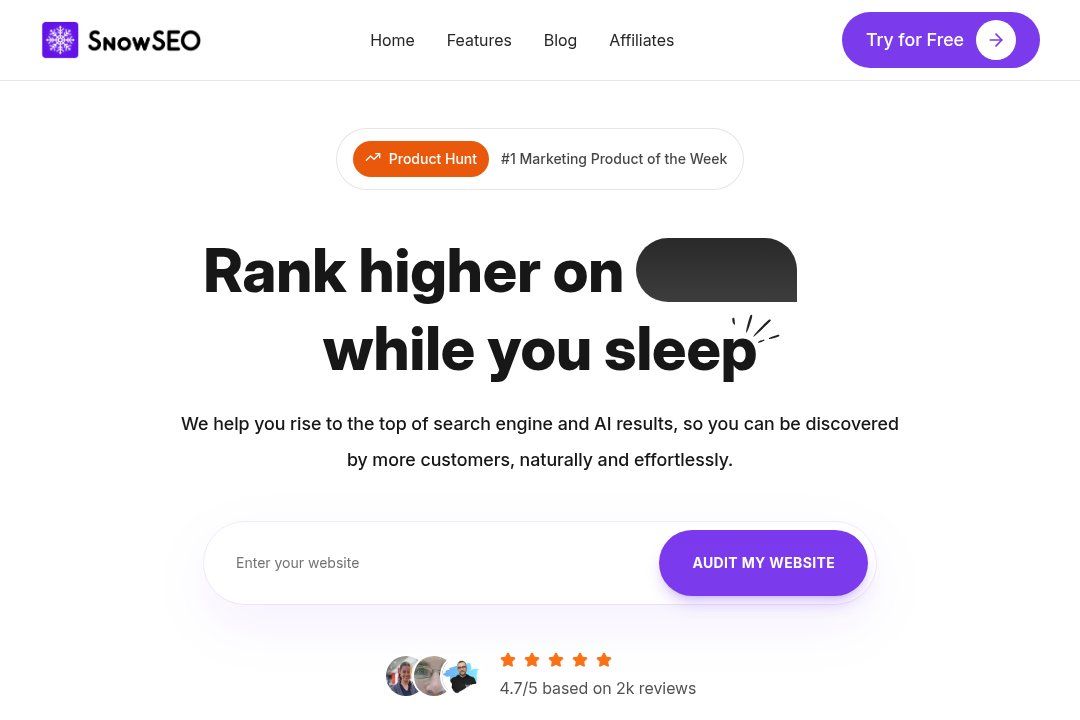
If these keyword techniques opened your eyes, then move fast before your competitors catch up. You can test each idea manually, but why juggle ten tools when one platform already does the heavy lifting for you? SnowSEO pulls these techniques together and automates them, so you spot new keywords, fill content gaps, track rankings, and publish updates without burning hours. You get human-like content tuned for search engines and AI platforms, which is the real battleground now.
Visit SnowSEO and start a workflow that finds keywords before they trend, rewrites content that slips, and monitors every competitor move. You get a full SEO expert team feel without hiring one. Apply these techniques today and subscribe for more insights. Start your free exploration, connect your CMS, and let SnowSEO handle the busy work so you can focus on strategy, not spreadsheets.
Frequently Asked Questions
Q1: How do I pick the right tool for these keyword techniques?
Start with SnowSEO because it covers the full workflow without juggling extra tools. It handles research, clustering, and content in one place. Use others only when you need a niche metric or a second data point.
Q2: How often should I redo keyword research?
Redo it every month if your market shifts fast. Slow markets can stretch to each quarter. Treat it like checking your maps before a road trip. You avoid wasted content because your targets stay relevant.
Q3: What if my search volume is low for new keyword ideas?
Low volume is not a red flag. It often signals low competition. Run the idea through SnowSEO to test search intent and content gaps. If you can answer the query better than anyone, you can still win traffic.
Q4: Which technique should beginners try first?
Start with intent clustering. It gives quick wins and forces you to group keywords by user goal. SnowSEO automates clusters, so you avoid messy spreadsheets and write cleaner, more focused content.
Conclusion
Keyword research now moves fast, and you win only if you adapt. AI shifts how you find patterns, spot intent, and predict what people will ask next. That idea shows up in many recent discussions, including insights from research on language models and semantic analysis. You no longer chase single phrases. You map ideas, clusters, and themes that move with user behavior.
Clustering matters because it helps you group terms that share the same goal. You get clearer pages, stronger topics, and less guesswork. Semantic work also helps you connect related terms in a natural way. That gives search engines a cleaner picture of your content.
Voice and predictive trends keep shaping search. You need to plan for longer questions and more natural words. Reports like the one on future shifts in search volume show how fast user behavior changes. The teams that stay ahead look at trends early and adjust before the market moves.